|
|

Amazon Grocery Deals and more...
Amazon Grocery Deals
Saving money on groceries can feel really hard right now… but Amazon grocery deals are one of my favorite ways to save without even leaving the house. You can often find cheap pantry staples, snacks, baking items, and household essentials for less than store prices, especially when Amazon runs limited time sales. Right now, Amazon is offering FREE Delivery on order over $25. I check these deals often because prices change fast, and sometimes they are really good. 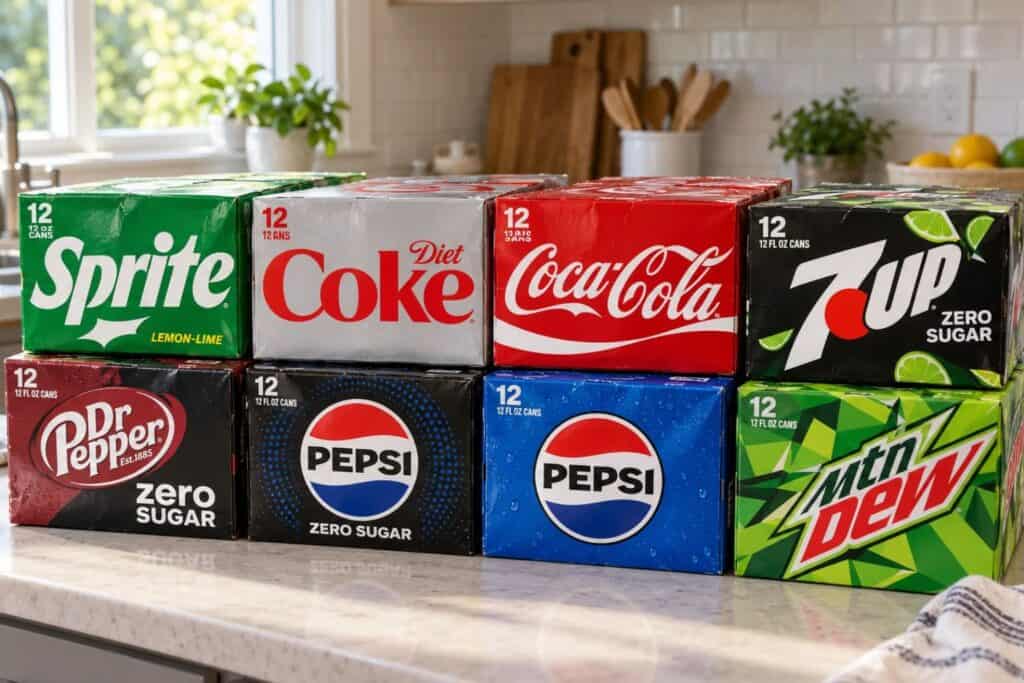 Today’s Best Amazon Grocery DealsHere are some of the best grocery deals I am finding right now. I update this list often, so check back throughout the day for new deals. If you’ve been waiting for a good price on pop, this could be a great time to stock up! These 12 packs are dropping 40% off and starting at $3.83 each when you buy three and use Subscribe & Save.
Prices, coupons, and availability can change quickly, so check the final price before placing your order. 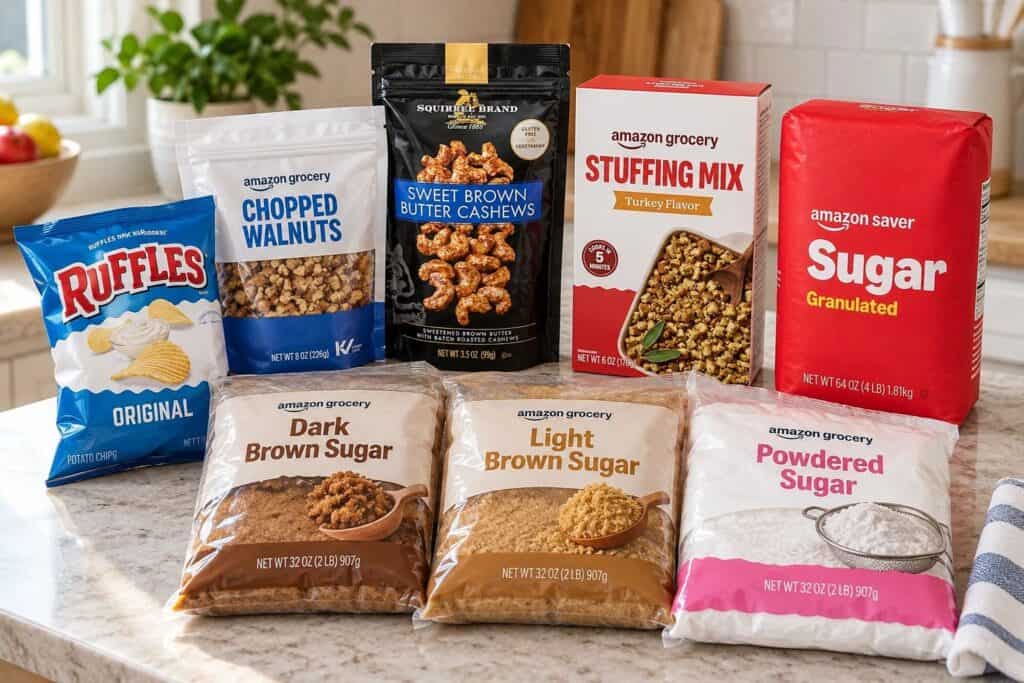 Stock up on sugar for holiday baking! Buy four, save 10% automatically in your cart, and choose Subscribe & Save to get:
Prices include shipping.
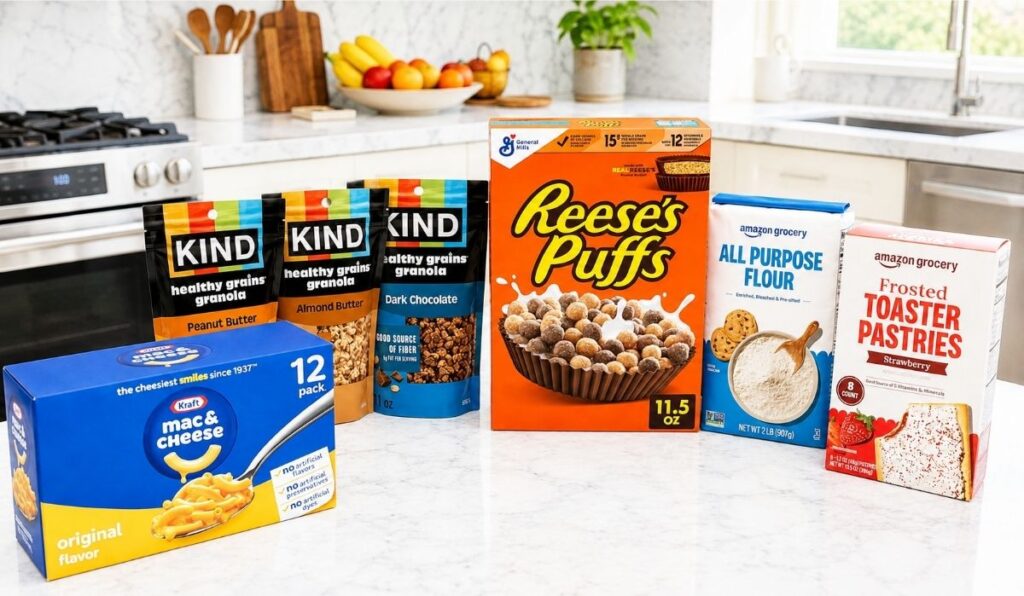 Nutri-Grain Soft Baked Breakfast Bars, 32 count for just $5.99 shipped! That’s only $1.49 per box! Strawberry Toaster Pastries, 8 Count for only $1.12 shipped when you clip the 15% off e-coupon and check out through Subscribe & Save! Reese’s Puffs Breakfast Cereal (11.5 oz) for just $2.84 shipped when you check out through Subscribe & Save! All Purpose Flour, 2 Lb for just $0.95 shipped when you clip the 15% off e-coupon and check out through Subscribe & Save! Kraft Mac & Cheese is dropping to just $0.90 per box when you check out through Subscribe & Save! Shop all Amazon Grocery Deals. Why Amazon Is Great for Grocery DealsOne of the best things about shopping Amazon for groceries is how easy it is to compare prices and find discounts in one place. You can often find:
Plus, everything is delivered right to your door, which saves both time and gas money. How to Save More with Subscribe and SaveOne of my favorite ways to save even more is with Amazon Subscribe and Save. When you choose this option, you get an extra discount just for scheduling your item to be delivered. This works great for things you use all the time like snacks, coffee, or pantry staples. And here is the best part… So you can grab the discount without being locked into anything long term. Can You Use EBT on AmazonYes, you can use EBT on Amazon for many grocery items, which can make things even easier for families. If you already receive SNAP benefits, this is a simple way to shop for groceries online and have them delivered right to your door. You can read more about how it works here.  Is Amazon Prime Worth It for Grocery DealsIf you shop Amazon often, having an Amazon Prime membership can help you save even more. With Prime, you usually get:
That means more savings and fewer trips to the store. Check Back Often for the Best Amazon Grocery DealsI will be updating this page regularly with the best Amazon grocery deals I find. Deals can sell out or change quickly, so it is a good idea to check back often. You never know what great deal might pop up next.     • View comments • Track comments •
How to Make a Christmas Budget That Includes All the Little Extras
Every year, it seems like Christmas spending starts with gifts and somehow turns into so much more! There are stocking stuffers, groceries for Christmas dinner, teacher gifts, wrapping paper, and that cute little decoration you weren’t planning to buy. None of those purchases seem like a big deal on their own. But together, they can take a pretty big bite out of your budget.  This year, Rich and I are intentionally scaling back on Christmas spending. And one thing I’ve realized is that it’s not always the big gifts that throw off the budget. Sometimes it’s all those little purchases we don’t think about ahead of time. I want to enjoy Christmas without spending January trying to catch up! A Christmas budget should include everything you expect to spend because of the holiday. It doesn’t have to be complicated or take the fun out of Christmas. It just helps you decide where your money will go before you start spending it. Start With What You Can AffordBefore making your shopping list, figure out how much money you can reasonably put toward Christmas. Not sure how much you should budget for Christmas this year? My Christmas Budget Calculator can help you figure out how much you can spend and make a plan before you start shopping. Look at what you already have saved and what you can set aside between now and the holiday after covering your regular bills and needs. Try not to start with everything you want to buy and then figure out how to pay for it. Start with the money you have available and build your plans around that amount. Whether you have $300 or $800 to spend, start with what you can actually afford and make your Christmas plans fit that amount. Your Christmas budget does not have to look like anyone else’s. It needs to work for your household. You can use my free printable budget planner to look at your regular expenses and see what room you have for holiday spending.  Check What You Already HaveBefore buying anything, take a little inventory. Check the closet where you tuck away gifts throughout the year. Look through your wrapping supplies, decorations, and pantry. You might already have:
Make a note of what you find and who any gifts could go to. A gift bought months ago is easy to forget when you are scrolling through holiday deals. Checking first can keep you from buying twice for the same person. Make a Gift List With Spending LimitsWrite down everyone you plan to give a gift to, then assign an amount to each person. Include the people outside your immediate family, too. Teachers, neighbors, coworkers, hosts, and gift exchanges can all become part of your holiday spending. You don’t have to spend the same amount on everyone. You can also decide that some people will receive a homemade treat, a thoughtful note, or a small shared gift. Your list might look something like this:
These amounts are just examples. Choose amounts that fit your total budget. Once you’ve bought someone’s gift, cross them off your list! You don’t need to keep adding things just because you find another good deal. 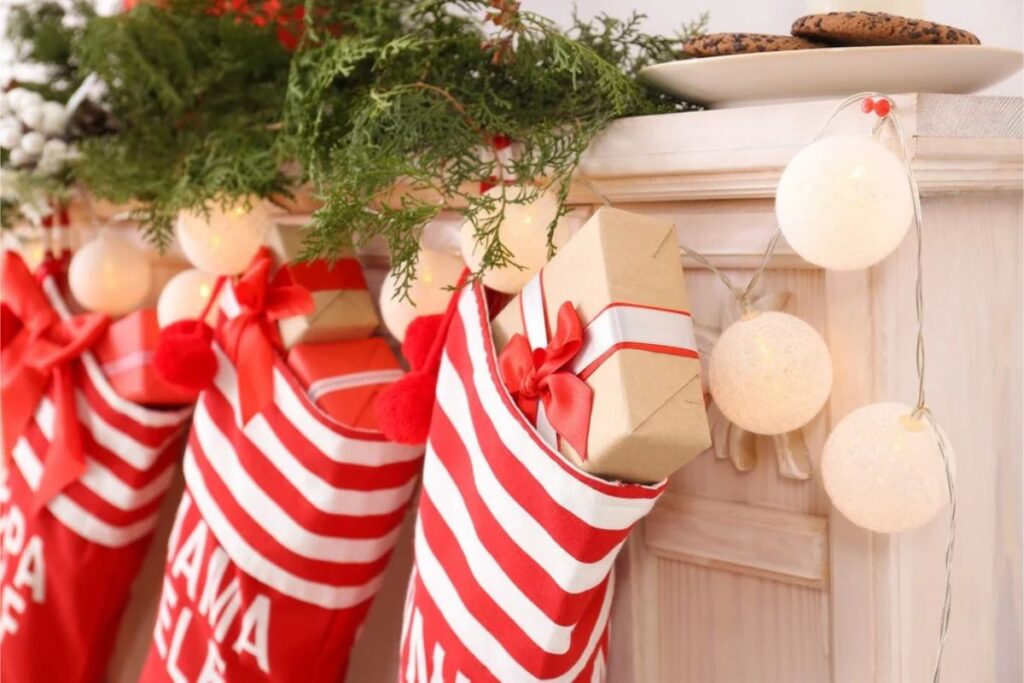 Give Stocking Stuffers Their Own BudgetStocking stuffers are easy to underestimate. A few dollars for candy, a little toy, some lip balm, and a pair of socks can add up quickly when you are filling several stockings. Decide how much you want to spend per stocking before shopping. Then multiply that amount by the number you plan to fill. For example, four stockings at $15 each need a $60 place in your Christmas budget. You can include useful items you would buy anyway, but count the spending somewhere in your household budget. Moving a purchase into a stocking doesn’t make it free. Plan for Holiday FoodChristmas food spending can go well beyond one dinner. Think about what you expect to make or bring throughout the season:
Check your pantry before making your grocery list, and look for recipes that use some of the same ingredients. You can also simplify the menu. A few favorite dishes can make a wonderful meal without needing every side, dessert, and appetizer you can think of. For your budget, count the extra food spending above what you normally spend on groceries. If your usual grocery money covers part of the meal, you don’t need to count that same money twice. 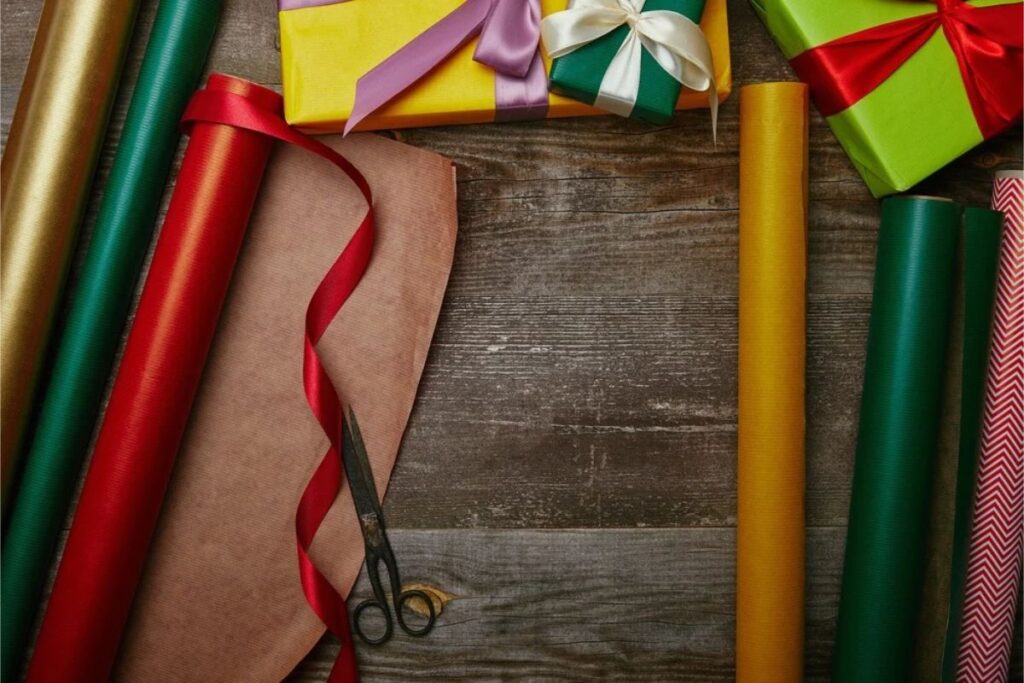 Include Wrapping, Packaging, and PostageWrapping supplies are another expense that often gets left off the list. Think about wrapping paper, tape, gift bags, tissue paper, tags, and any containers you need for homemade gifts. If you mail gifts or Christmas cards, include postage and shipping costs, too. Before buying more supplies, use what you have. A saved gift bag or a simple paper bag can still make a gift feel special. For homemade food gifts, include the packaging when you calculate the cost per gift. The cookies might be inexpensive, but tins, jars, and ribbon can change the total. Choose the Activities That Matter MostThere are plenty of ways to celebrate Christmas, but you don’t have to pay for all of them. Talk with your family about the traditions you most want to keep. Then figure out what those plans will cost. That might include tickets, parking, gas, meals while you are out, or supplies for an activity at home. A Christmas movie night, looking at neighborhood lights, or baking together can be something to look forward to without requiring a big purchase. Leave room for the traditions you care about most. It is easier to pass on other activities when you have already decided what matters to your family.  Remember Decorations, Clothing, and TravelNot every household will spend money in these categories, but they are worth considering before you finish your budget. Will you buy a Christmas tree? Do you need to replace a broken string of lights? Are you planning to buy matching pajamas or clothes for a gathering? If you are traveling, think about transportation, lodging, meals, and any other costs you will need to cover. These expenses can still fit into your plan. The important part is deciding on them ahead of time instead of treating every purchase as an exception. Leave a Little Room for the UnexpectedEven with a good list, something may come up. You might remember a gift exchange, get invited to another gathering, or need an ingredient you thought was in the pantry. If possible, leave a small amount unassigned for those expenses. That money is part of your total Christmas budget. It gives you some flexibility without increasing the amount you planned to spend. If your budget doesn’t have room for a cushion, an unexpected expense may mean reducing another category. Put Your Christmas Budget TogetherThink about it. An extra $10 for stocking stuffers, $15 for wrapping supplies, $20 for Christmas baking ingredients, and $25 for a last-minute gift adds up to $70 you might not have planned to spend. And that’s before all the other little things that pop up during December! Here is an example of how a $500 Christmas budget could be divided:
This example doesn’t include travel. If travel is part of your Christmas plans, give it a category and adjust the other amounts. Your numbers may look completely different. You might spend more on food and less on gifts, or use decorations and wrapping supplies you already own. The goal is to make sure your planned spending fits the money you have available. Track Your Spending as You GoKeep a running total as you shop. A notebook, your phone, or a simple spreadsheet can work. Record the purchase, its full cost, and the category it belongs to. Include sales tax and shipping when they apply. If you budget $40 for a gift and buy it for $28, record the $28 you spent. You don’t have to find another $12 worth of gifts to reach the limit. Coming in under budget is a good thing. Check your remaining money before shopping again, especially during big sales. A discount can help you buy something on your list for less, but it can also tempt you to spend money you had planned to keep. What if Your Plans Cost More Than Your Budget?If the total is too high, adjust the plan before making the purchases. You could give fewer gifts, choose smaller gifts, simplify a meal, reuse decorations, or replace a paid activity with something you can do at home. If other people are involved in your plans, have those conversations early. Setting a gift exchange limit or asking everyone to bring a dish can make the season more affordable for several households. You can give yourself permission to do less. Christmas can still be meaningful when the gifts are smaller, the food is simpler, and the calendar has a little breathing room. We’re actually putting this into practice ourselves this Christmas! Rich and I are buying fewer gifts, shopping secondhand when we can, and focusing more on making memories together. I shared more about our plans in my latest Christmas YouTube video.  Make Your Plan Before the Holiday Spending BeginsYou don’t need to have every gift figured out today. Start by choosing a total you can afford, checking what you already have, and writing down the expenses you expect. Then use that plan as you shop and make decisions throughout the season. My free printable budget planner can help you see how Christmas spending fits alongside your regular household needs. I want to enjoy the season and feel good about the choices I made when January arrives. Planning for the little extras is one way to help make that happen. What Christmas expense tends to sneak up on you each year?  • View comments • Track comments •
Apple Pie Cinnamon Rolls
These Apple Pie Cinnamon Rolls combine two of my favorite fall treats into one delicious recipe! You get soft, fluffy homemade cinnamon rolls filled with sweet apples, brown sugar, and cinnamon. And here’s the best part. You can use canned apple pie filling, which makes these homemade apple cinnamon rolls a little easier to put together. They’re perfect for a cozy fall breakfast, weekend brunch, or even Thanksgiving morning! 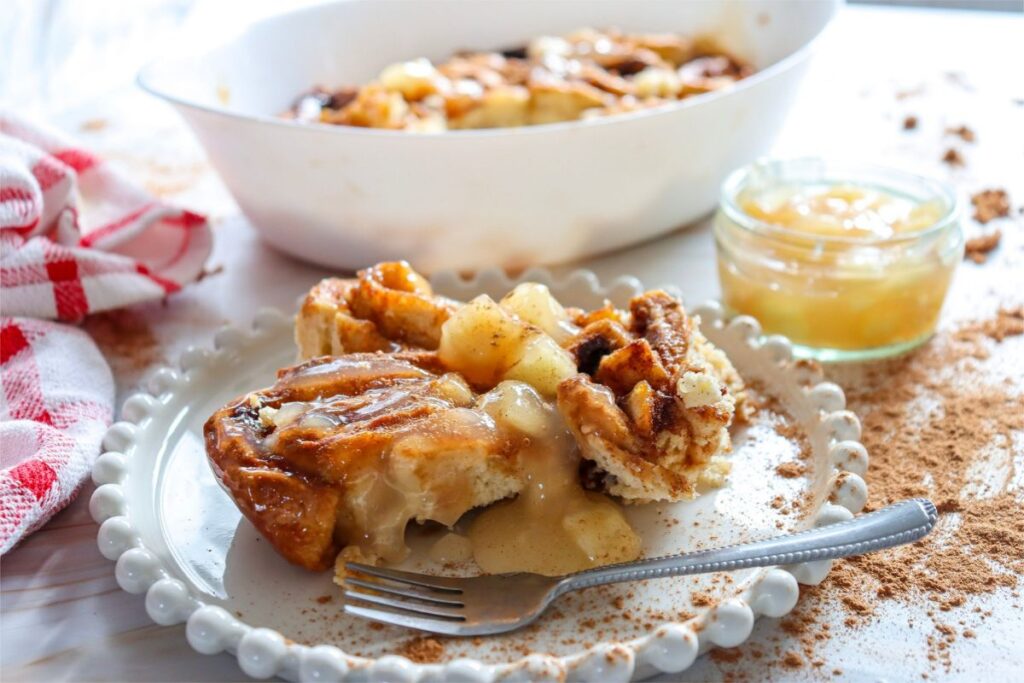 Why You’ll Love These Apple Pie Cinnamon RollsIf you love apple pie and homemade cinnamon rolls, this recipe gives you the best of both! Using prepared apple pie filling saves you the extra step of peeling and cooking apples, but you still get homemade yeast dough with those soft cinnamon roll layers. You can even add a little extra apple pie filling on top before baking if you want more apple flavor. 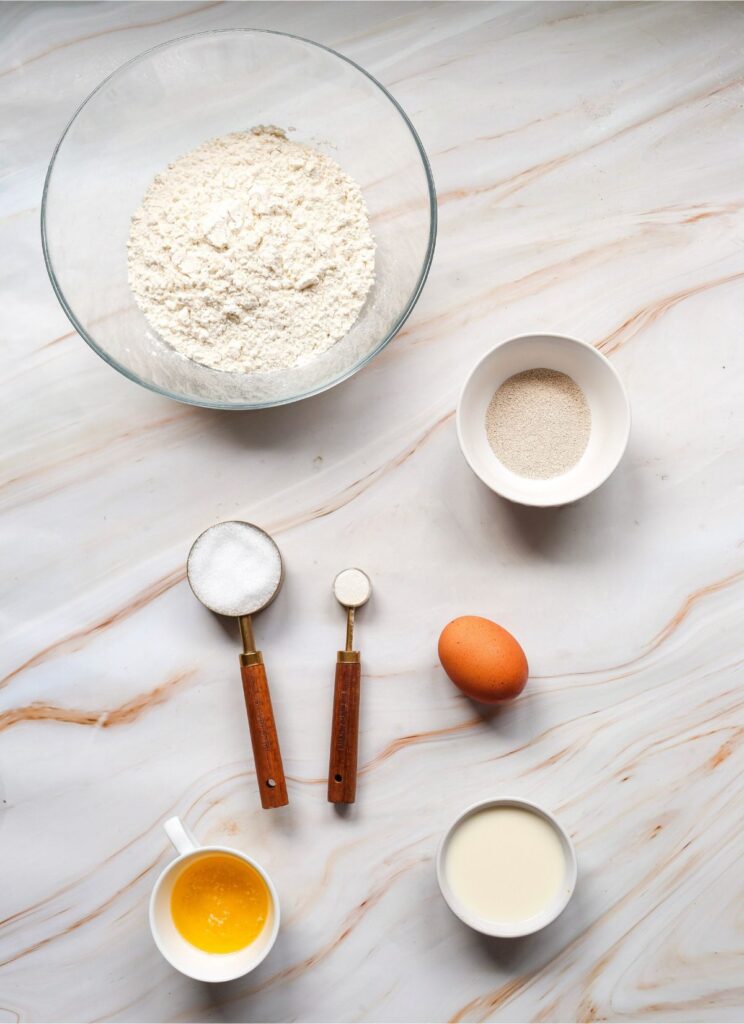 Ingredients You’ll NeedFor the Dough
For the Apple Cinnamon Filling
Optional Topping: Additional apple pie filling and a pinch of cinnamon.  How to Make Apple Pie Cinnamon RollsThese cinnamon rolls take a little time because the dough needs to rise twice, but the process is pretty straightforward. Step 1: Prepare the YeastCombine the warm milk, yeast, and sugar in a mixing bowl. Let the mixture sit for 5 to 8 minutes until it becomes foamy. If the yeast doesn’t foam, start over with fresh yeast and check the milk temperature. 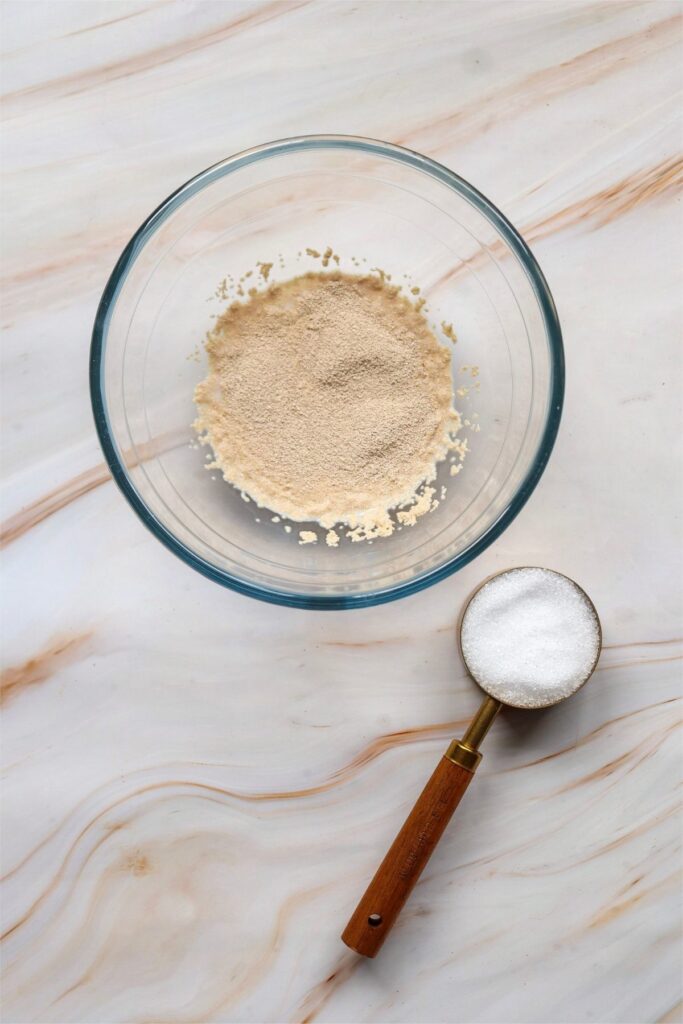 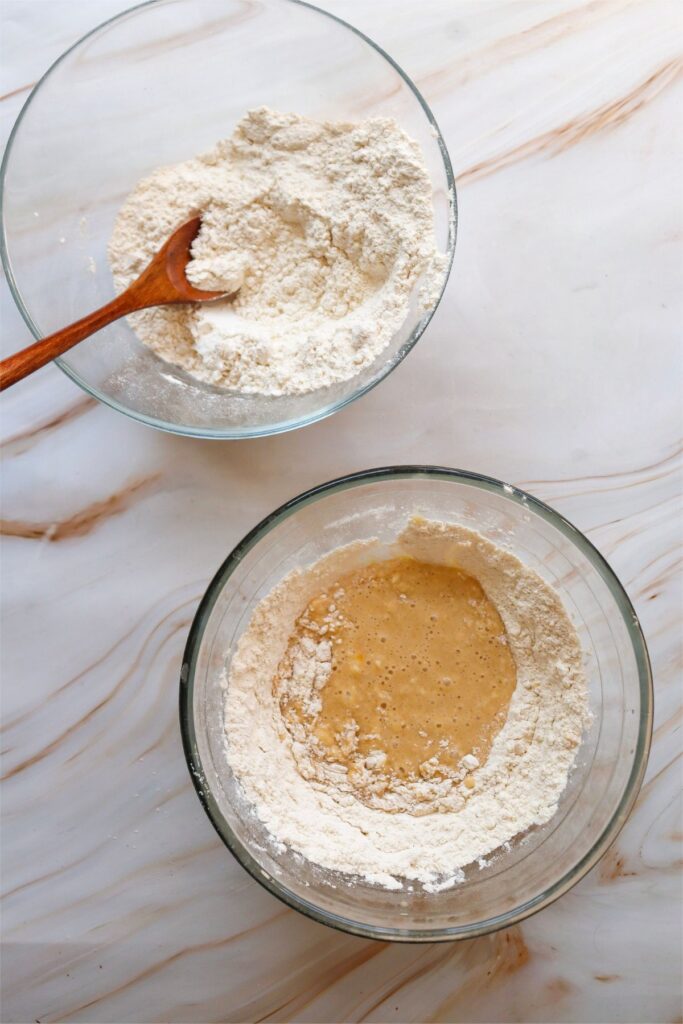 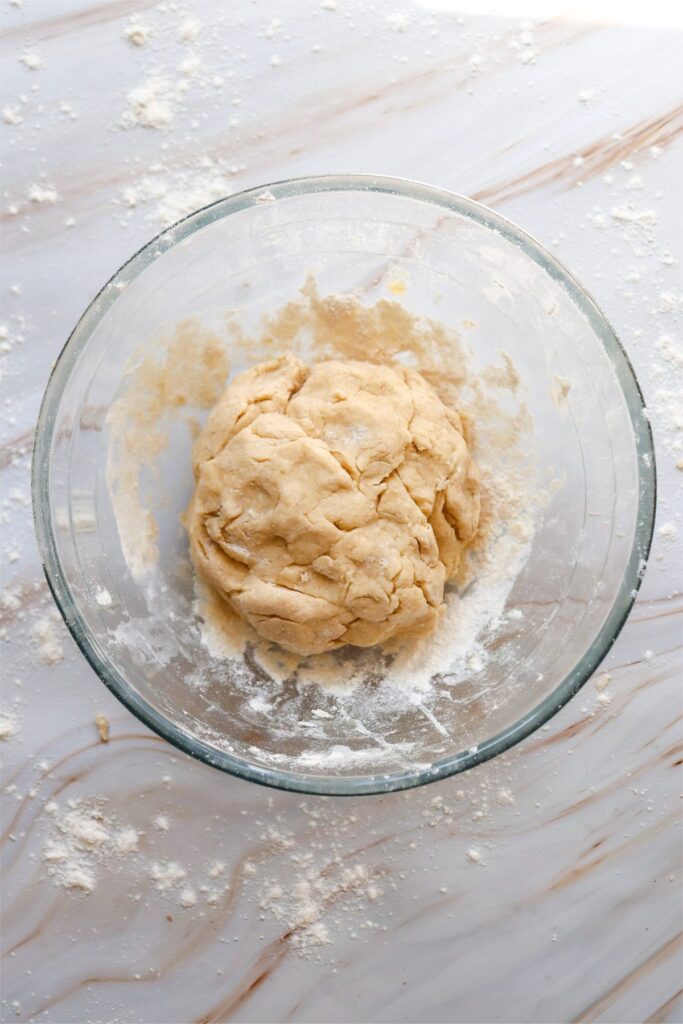 Step 2: Make the DoughAdd the egg and melted butter to the yeast mixture. Stir in the flour, beginning with 2½ cups and adding more as needed. Knead the dough for 6 to 10 minutes, either by hand or with a stand mixer fitted with a dough hook. The dough should be smooth, elastic, and slightly tacky without being overly sticky. Step 3: Let the Dough RiseTransfer the dough to a greased bowl and cover. Allow it to rise for approximately 1 hour, or until doubled in size. 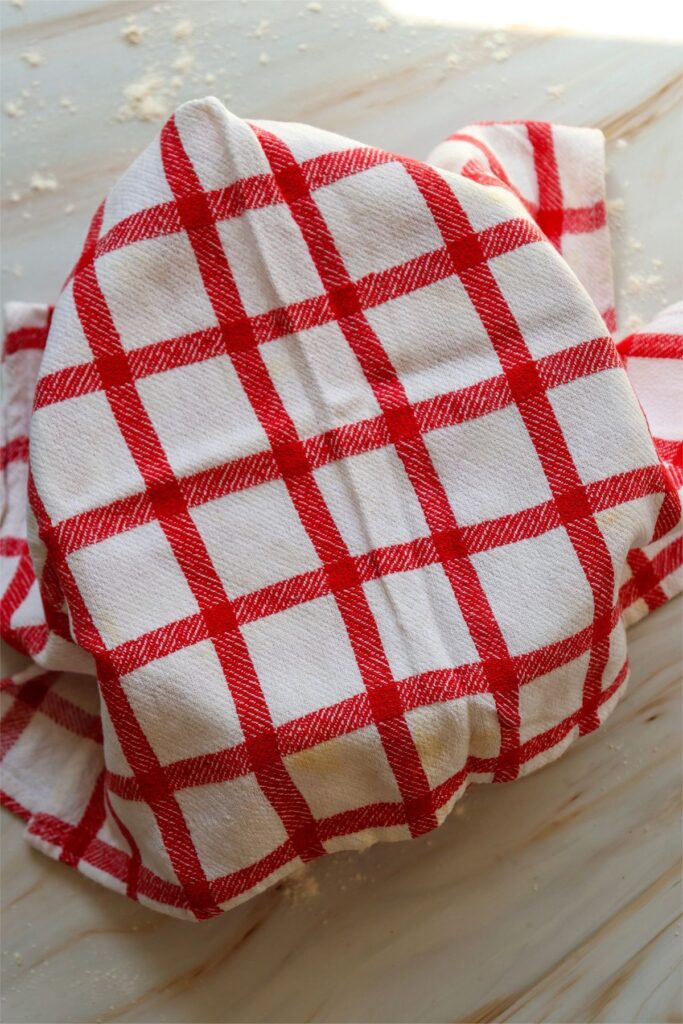 Step 4: Prepare the Apple FillingIf your apple pie filling has a lot of extra liquid, drain it in a strainer for 5 to 10 minutes. In a separate bowl, combine the brown sugar and cinnamon. Step 5: Roll Out the DoughPunch down the risen dough and roll it into a rectangle approximately 12 by 18 inches. Spread the softened butter evenly over the dough. Sprinkle the cinnamon and brown sugar mixture over the butter. 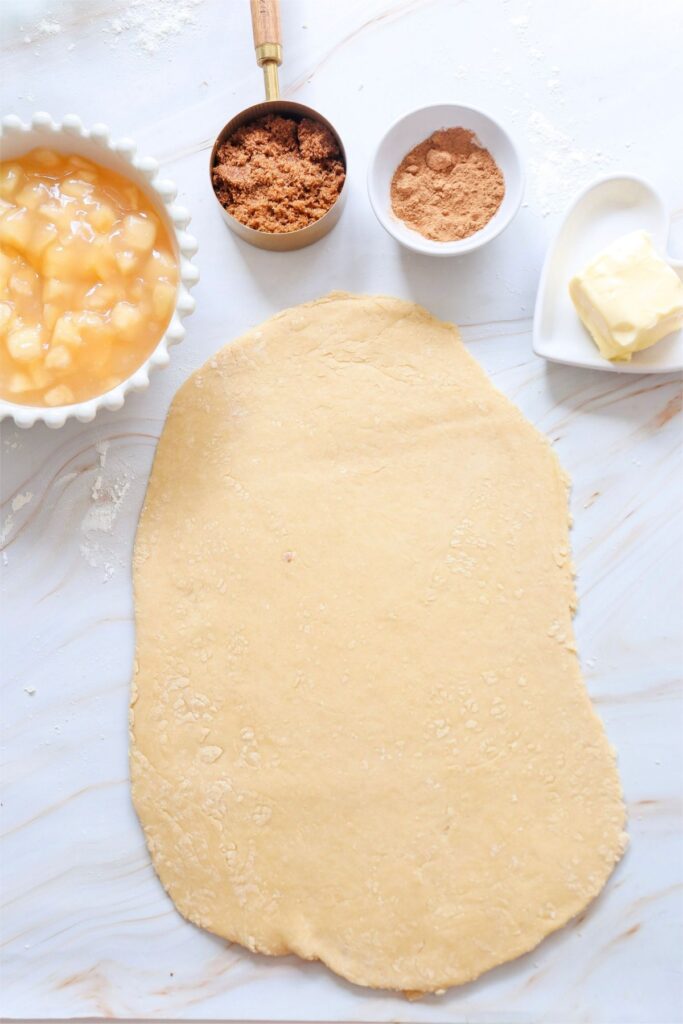 Step 6: Add the Apples and RollSpoon the apple pie filling evenly over the dough, leaving a small border around the edges. Don’t add the filling too thickly, or it may spill out when you roll the dough. Starting at one long edge, roll the dough tightly into a log. Slice into 10 to 12 cinnamon rolls using a sharp knife or unflavored dental floss. 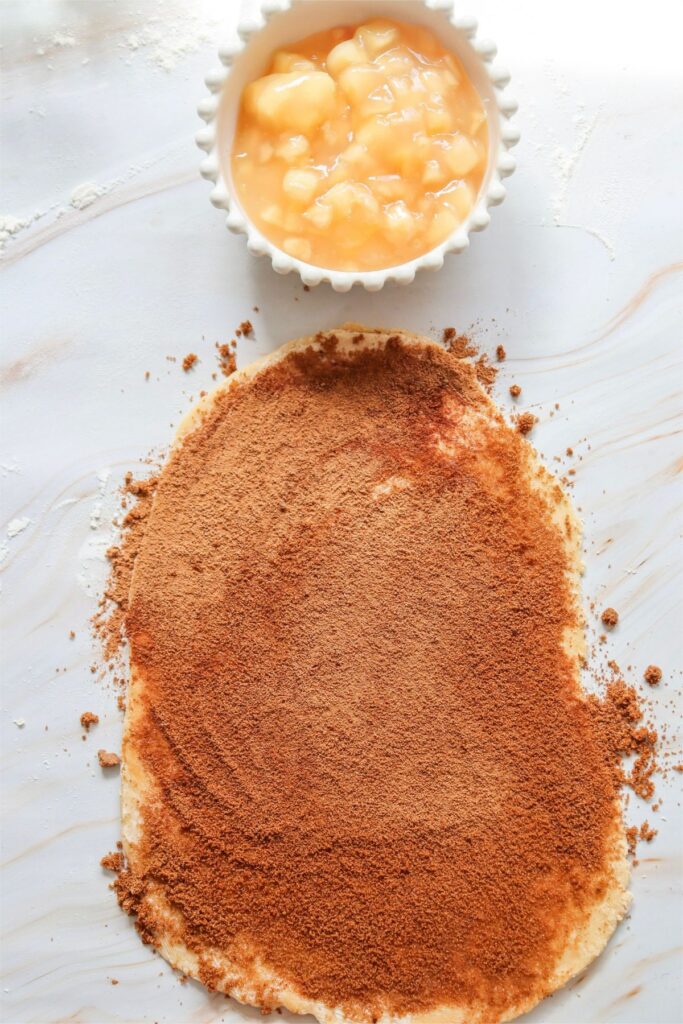 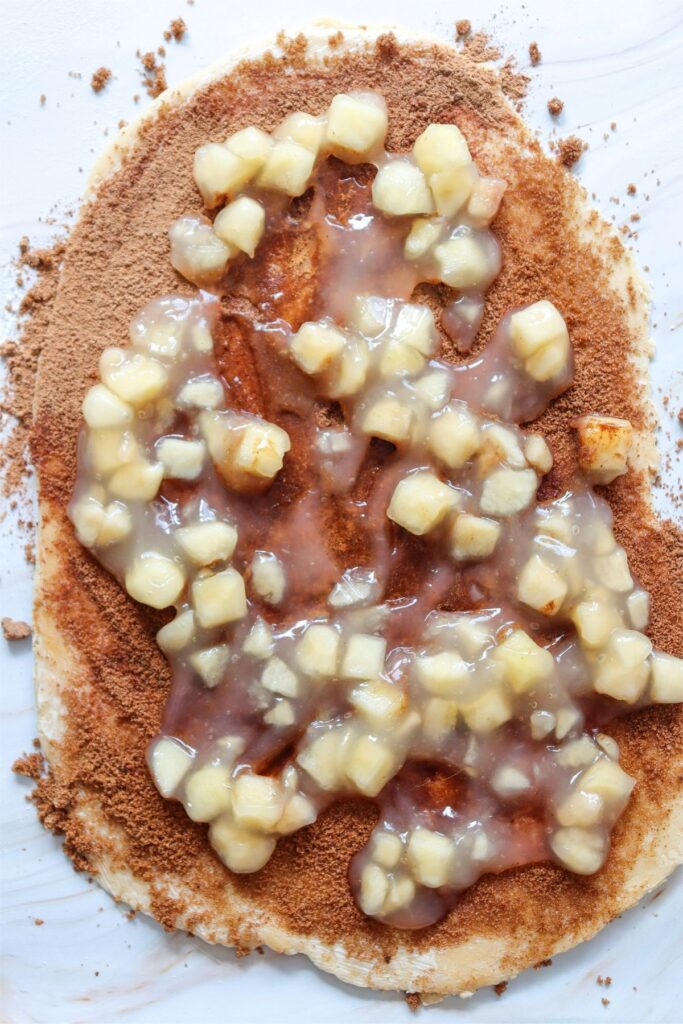 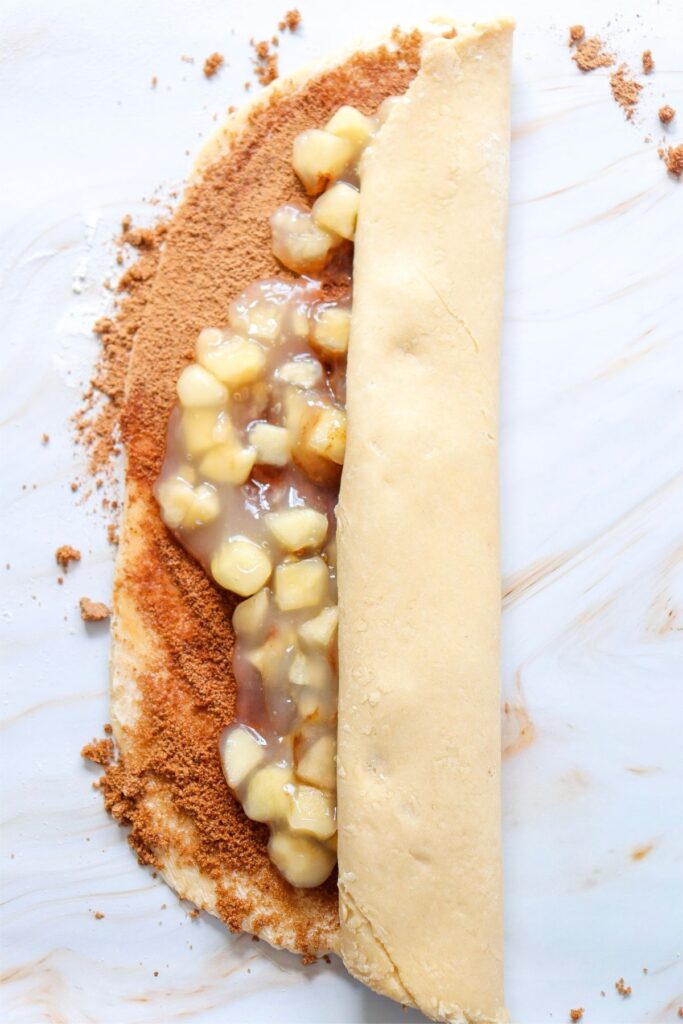 Step 7: Let the Rolls Rise AgainArrange the cinnamon rolls in a greased 9×13 inch baking dish. Cover and allow them to rise for another 25 to 35 minutes, until puffy. 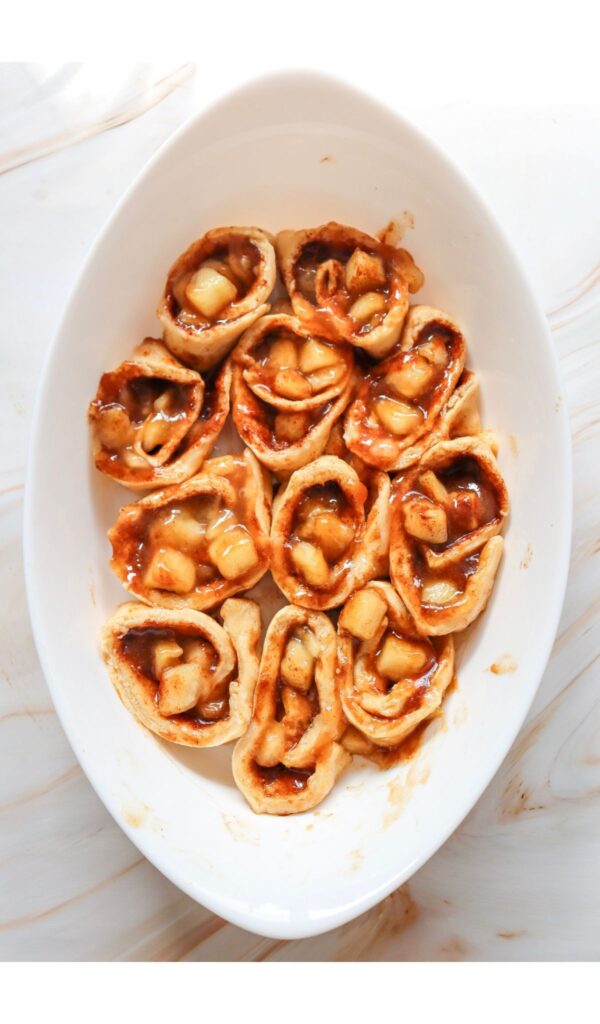 Step 8: BakeBake at 350°F for 20 to 25 minutes, until the tops are lightly golden and the centers are set. If the tops begin browning too quickly, loosely cover them with foil after approximately 15 minutes. For extra apple flavor, you can spoon a little additional apple pie filling over each roll about 10 minutes into baking, then sprinkle with cinnamon.  Step 9: Cool and ServeAllow the cinnamon rolls to cool for approximately 10 minutes before serving. The apple filling will be very hot, so give them a few minutes before digging in! Instructions Apple Pie Cinnamon RollsIngredientsDough
Filling + Flavor
Optional topping: extra apple pie filling + a pinch of cinnamonInstructionsProof yeast + make dough
Prep Filling
Assemble
Second rise
Bake
Optional apple topping during baking
Notestips (bakery-style) •Foamy yeast = reliable rise. •Knead fully 6–10 min for fluffy layers. •Drain very wet pie filling to prevent soggy centers. •Bake until centers look set, not just “golden.” Tips for Making Apple Pie Cinnamon Roll
StorageRefrigeratorStore leftover Apple Pie Cinnamon Rolls in an airtight container in the refrigerator for up to 3 to 4 days. Because these rolls contain apple pie filling, I recommend refrigerating them rather than leaving them on the counter. FreezerThese cinnamon rolls can also be frozen for up to 2 to 3 months for the best quality. Allow them to cool completely, then wrap individually in plastic wrap and place in a freezer safe bag or container. This makes it easy to grab just one or two whenever you want them! ReheatingFor a quick treat, warm an individual cinnamon roll in the microwave in short intervals until heated through. You can also place the rolls in an oven safe dish, cover loosely with foil, and warm at 300°F until heated through. For food safety, reheat leftovers to 165°F. Freezer Tip: If you’re planning to freeze these, wrap them individually so you don’t have to thaw the entire batch at once. Thaw overnight in the refrigerator before reheating. FAQsCan I use canned apple pie filling?Yes! This recipe specifically calls for store bought apple pie filling, making preparation a little easier. Why didn’t my dough rise?Your yeast may have expired, or the milk may have been too hot or too cold. The yeast mixture should become foamy after resting for 5 to 8 minutes. How do I keep the apple filling from making the rolls soggy?If your pie filling is watery, drain it before spreading it over the dough. Be careful not to add too much filling. Can I add more apples on top?Yes! The original recipe includes an optional topping of additional apple pie filling and cinnamon. How do I know when the cinnamon rolls are done?The tops should be lightly golden, and the centers should look set rather than doughy. More RecipesIf you liked this recipe, you’ll love these ones too:
  • View comments • Track comments •
How to Find Thoughtful Christmas Gifts at Thrift Stores
This year, Rich and I are doing Christmas a little differently. Somewhere along the way, the amount we were spending on gifts started getting a little out of hand, and we’ve decided it’s time to scale things back. Instead of buying lots of gifts, we’ve planned a family getaway next summer with our kids, grandkids, and my parents. That’s our big Christmas gift this year! One of the reasons we’re scaling back on Christmas gifts this year is because I really want to focus more on making memories together. If you love that idea too, I’ve put together a list of experience gift ideas that are perfect for giving something special without adding more stuff to someone’s home. We’re also trying the five gift rule with our grandkids, and I’m challenging myself to find as many of their gifts as I can at thrift stores. But here’s the thing. I’m not buying something just because it’s cheap! I want to find things they’ll actually love, and I think there are some really great treasures waiting to be found if you’re willing to look. If you’re thinking about shopping secondhand for Christmas this year, here are some things I’m keeping in mind as I shop. I’m calling it Merry Thriftmas! We’re intentionally scaling back our Christmas spending this year, but that doesn’t mean I want Christmas to feel any less special.  I still want to give thoughtful gifts that people will actually love. I just don’t want to spend a fortune doing it. And honestly, I think there’s something really fun about finding a gift that is just right for someone, even if it isn’t brand new. The trick is knowing what to look for, what to leave behind, and how to keep yourself from buying things just because they’re cheap. Here are some of the things I’m keeping in mind as I work on our Christmas shopping this year. I actually shared more about why we’re scaling back Christmas gifts this year in my latest YouTube video, including our plans to thrift as many gifts as possible. If you’re thinking about spending less this Christmas too, I’d love for you to watch it! Start With the Person, Not the BargainThen ask yourself: Would I choose this for them if it weren’t inexpensive? Just because something is cheap doesn’t mean it’s a bargain. If it’s broken, doesn’t suit the person, or will cost more to fix than it’s worth, leave it behind. Leave the junk and look for the treasures! I’d rather come home empty-handed than wrap something no one really wants. This is probably the biggest thing I’m trying to remember. Just because something is a great deal doesn’t mean it’s a great gift. Before heading to the thrift store, think about who you’re shopping for and what they actually like. Do they love reading? Cooking? Gardening? Crafting? Maybe they’ve mentioned something they need, or there’s a hobby they’ve been wanting to try. Having a few ideas in mind makes it much easier to spot something worth buying. I also think it’s important to decide how much you’re willing to spend before you go. I’m not setting a specific dollar amount that I have to spend on each person this Christmas. Instead, I’m challenging myself to see how little I can spend while still finding things they’ll enjoy. If you’re working on your Christmas budget too, my Christmas Savings planner can help you make a plan.  Where to Look for Thrifted Christmas GiftsThrift stores are an obvious place to start, but they’re not the only option. Consignment shops, secondhand bookstores, and charity resale shops can also be great places to look. One thing I’ve learned about shopping secondhand is that you can’t always expect to find exactly what you’re looking for when you want it. Some days you might find something wonderful. Other days, you might not find anything at all. And that’s okay! I’d much rather leave empty handed than spend money on something nobody really needs just because it was inexpensive. Also, remember to consider the entire cost of a gift. If something needs new batteries, replacement pieces, expensive cleaning supplies, or repairs, it might not be the bargain it first appeared to be. Merry Thriftmas Gift Ideas Worth Looking ForThere are so many things you can give secondhand that still make wonderful Christmas gifts. Here are a few ideas I’m keeping an eye out for. Books for the Readers on Your ListBooks are one of my favorite ideas for secondhand gift shopping. You can sometimes find beautiful hardcover books, cookbooks, children’s books, or books by someone’s favorite author for much less than buying them new. Just check the condition and make sure there aren’t missing pages or major damage. You could even pair a thrifted book with a new bookmark or a favorite snack for a simple little gift. Books are one of my favorite things to look for when thrifting! If you have someone on your list who loves to read, I’ve also put together some Gift Ideas for Book Lovers that might give you a little inspiration. Kitchen and Home FindsIf you know someone who loves cooking or entertaining, keep an eye out for pretty serving dishes, baskets, cookbooks, or other useful kitchen items. A nice basket filled with a few favorite treats could make a thoughtful gift without costing much. I would just be careful not to buy decorative things unless I was pretty sure they matched the person’s style. Nobody needs another thing sitting in a closet!  Games, Puzzles, and Books for KidsThere are some fun things you can find secondhand for kids. Books, puzzles, and board games are worth looking at, especially if you know what the child enjoys. Just make sure everything is in good condition and that all the important pieces are there. For toys and other children’s products, check age recommendations and recalls before buying. And remember, just because something is inexpensive doesn’t mean you need to bring it home. You really don’t have to spend a fortune to give kids something they’ll love at Christmas. I’ve shared even more ideas in my Frugal and Free Christmas Gifts for Kids post, including some great ways to save on toys and other gifts. Gifts for Someone With a HobbyThis is another category where I think you could find some really thoughtful gifts. Look for things connected to what the person already enjoys. Maybe it’s a gardening book, an interesting craft book, unopened supplies, or something useful for their favorite hobby. The key is finding something they’ll actually use. If you need more inspiration, you can always browse my Gift Ideas for other Christmas gift ideas. What I Would NOT Buy Secondhand for ChristmasAs much as I love saving money, there are some things I would skip. A low price isn’t worth it if the item isn’t safe or won’t last. Here are some things I’d be especially careful about:
And there’s one more thing I wouldn’t buy. Something the person doesn’t actually want. That might sound obvious, but I think it’s easy to get excited about a really low price and forget who we’re shopping for. How to Make Thrifted Christmas Gifts Feel SpecialI think this is where you can have a little fun! Just because a gift came from a thrift store doesn’t mean it has to look like you grabbed it off the shelf and wrapped it up. Here are a few ways to make secondhand gifts feel extra special:
But here’s the thing. Don’t feel like you have to keep adding things just to make the gift look bigger or more expensive. That’s exactly the kind of spending I’m trying to avoid this Christmas! Sometimes one thoughtful gift is plenty. And there’s no reason to pretend something is brand new if it isn’t. What matters is that you took the time to find something you knew they’d love. Don’t Feel Like You Have to Find Everything at a Thrift StoreThis is something I’m reminding myself of too. I’m challenging myself to thrift as many gifts as possible, but that doesn’t mean every single gift needs to be secondhand. If I can’t find something that feels right for someone, I’ll look at other options. A homemade gift, something bought on a good sale, or even an experience together might make more sense. The goal isn’t to prove I can thrift everything. The goal is to spend less while still giving gifts that feel thoughtful and special. And sometimes the smartest thing you can do is walk out of a store without buying anything. Frequently Asked Questions About Thrifted Christmas GiftsIs it okay to give thrifted gifts for Christmas?I think so! The important thing is knowing the person you’re shopping for. Some people love secondhand finds, while others prefer something new. Choose something in good condition that fits the person and their preferences. What are some good thrift store Christmas gifts for kids?Books, complete puzzles, and board games can all be good options. Just make sure they’re age appropriate, in good condition, and haven’t been recalled. How can I make a secondhand gift feel more personal?Think about the person receiving it. Choose something connected to their interests, wrap it nicely, and consider including a little handwritten note about why you picked it out. A Merry Thriftmas This YearI’m actually looking forward to seeing how much I can save by shopping differently this Christmas. After losing a source of income this year, we’ve been looking at our spending a lot more carefully, including what we spend during the holidays. But I don’t want our family to remember Christmas for how much money we spent. I want us to remember the time together, the little traditions, the laughter, and most importantly, celebrating the birth of Jesus. If I can spend less on presents and still give things that make people smile, I’ll consider that a win. And if I happen to find some really good thrift store treasures along the way, even better! Merry Thriftmas! Have you ever given a thrifted Christmas gift? I’d love to hear what you found!  • View comments • Track comments •
Creamy Pumpkin Soup Recipe
This Creamy Pumpkin Soup is just what you need when the weather starts getting chilly! Made with pumpkin puree, warm spices, and heavy cream, it’s a cozy fall recipe that’s easy to make right on the stovetop. Whether you’re looking for an easy fall dinner, something warm for lunch, or a simple soup to serve alongside your favorite sandwich, this homemade pumpkin soup comes together with just a handful of ingredients and about 40 minutes of your time.  Why You’ll Love This Creamy Pumpkin SoupWhy You’ll Love This Creamy Pumpkin Soup One thing I appreciate about this recipe is that you can use canned pumpkin puree, so there’s no need to roast and prepare a whole pumpkin first. It also uses simple ingredients that are easy to find at the grocery store. If you’d rather make your own, you can use my Homemade Pumpkin Puree recipe instead! The ginger, cumin, and nutmeg add warm fall flavors, while the heavy cream gives the soup its smooth, creamy texture. It’s a great option when you’re looking for something cozy to serve for lunch or dinner on a chilly day. Table of contents Ingredients You’ll NeedYou only need a few simple ingredients to make this creamy pumpkin soup, and using canned pumpkin puree makes the preparation even easier!
 How to Make Creamy Pumpkin SoupMaking this homemade pumpkin soup is pretty simple! Everything comes together in one pot, and you can use canned pumpkin puree to make things even easier. You’ll find the complete ingredient measurements and printable instructions in the recipe card below. Step 1: Sauté the OnionHeat the olive oil or butter in a large pot over medium heat. Add the chopped red onion and sauté for about 5 to 7 minutes, until softened and translucent. 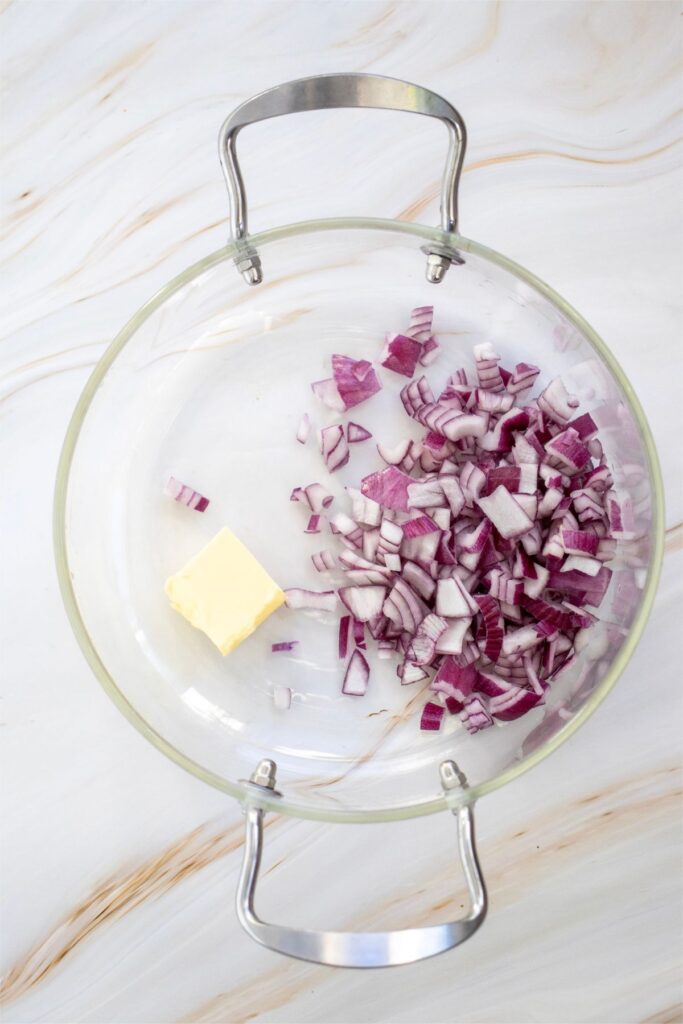  Step 2: Add the Garlic and SpicesStir in the minced garlic, ginger, cumin, nutmeg, salt, and pepper. Continue cooking for another 1 to 2 minutes, until fragrant.  Step 3: Add the Pumpkin and StockAdd the pumpkin puree and stir until combined with the onions and spices. Pour in the vegetable or chicken stock and bring to a gentle boil. Reduce the heat and simmer for 15 to 20 minutes.   Step 4: Blend Until SmoothRemove the pot from the heat. Use an immersion blender to blend the soup until smooth and creamy. If you’re using a countertop blender, allow the soup to cool slightly before blending in batches. 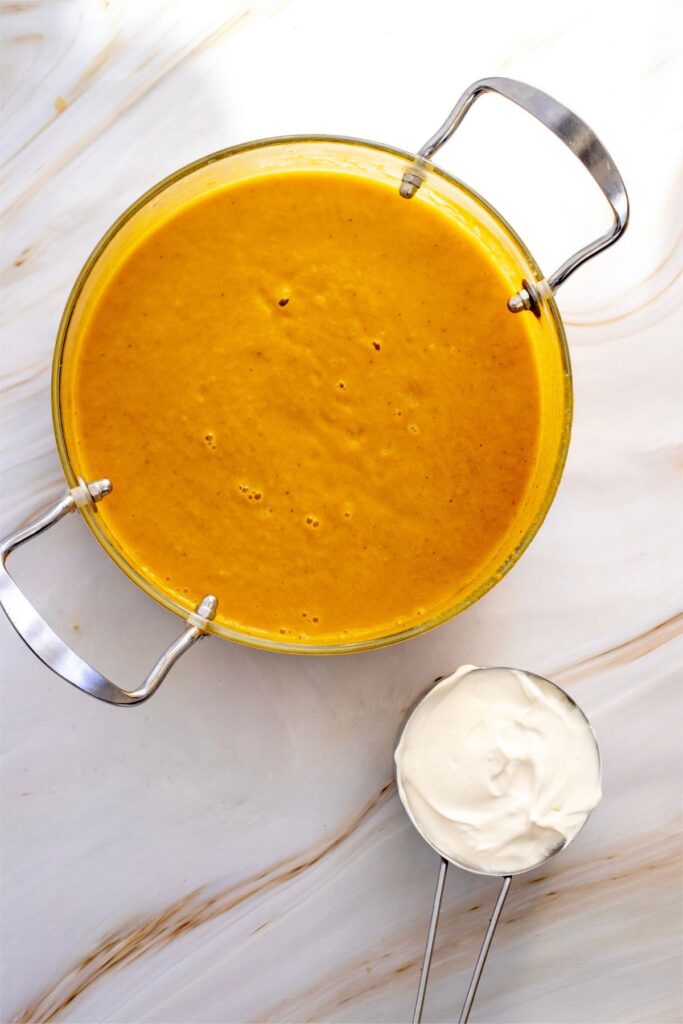 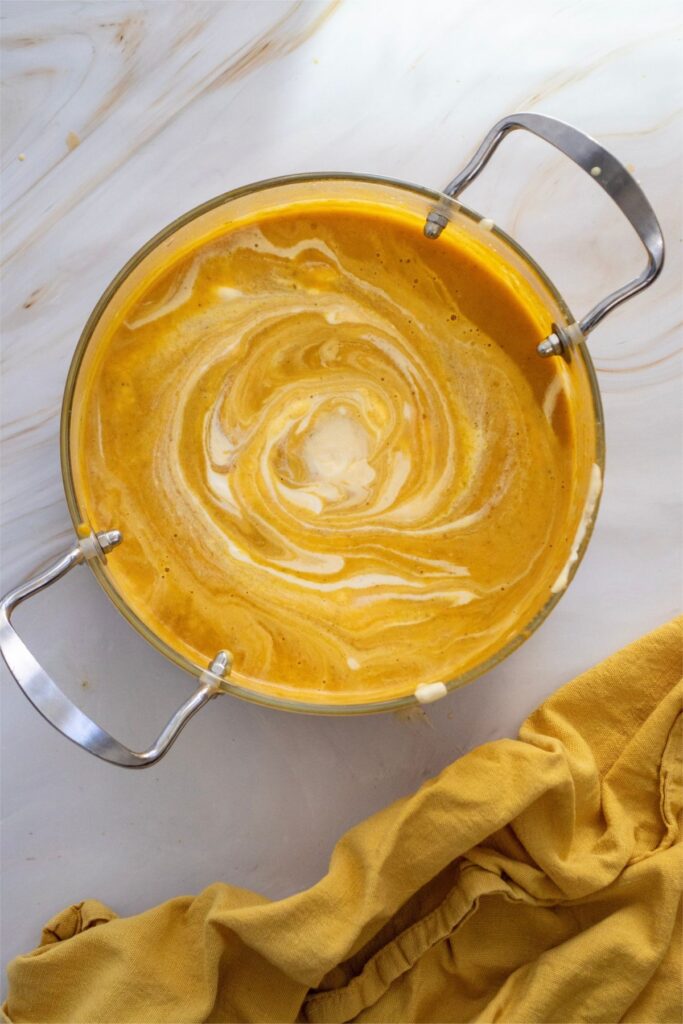 Step 5: Stir in the Heavy CreamReturn the blended soup to low heat and stir in the heavy cream. Continue stirring until everything is warmed through. Step 6: Garnish and ServeLadle the creamy pumpkin soup into bowls. Top with toasted pumpkin seeds, croutons, or an extra swirl of cream if you’d like.   Creamy Pumpkin SoupEasy homemade recipe for pumpkin soup that is creamy and delicious.
Servings 6
Ingredients
Optional toppings: pumpkin seeds or croutonsInstructions
NotesYou could substitute coconut milk as an optional dairy free variation. StorageRefrigerator: Store leftover pumpkin soup in an airtight container in the refrigerator for up to 3 to 4 days. Allow it to cool quickly by dividing larger amounts into shallow containers, and refrigerate within 2 hours. Freezer: You can freeze pumpkin soup for 2 to 3 months for best quality. Let it cool, then transfer to freezer-safe containers, leaving a little room for expansion. Since this recipe contains heavy cream, the texture may change slightly after freezing and thawing. Reheating: Thaw frozen soup overnight in the refrigerator. Reheat in a saucepan over medium heat, stirring occasionally, until it reaches a rolling boil and is heated throughout. If the soup separates slightly, whisk it to help bring the creamy texture back together. FAQsCan I use canned pumpkin puree?Yes! Canned pumpkin puree works perfectly for this recipe and saves you the extra work of preparing a fresh pumpkin. Be sure to use plain pumpkin puree, not pumpkin pie filling. Can I use homemade pumpkin puree?Yes. The recipe calls for 4 cups of pumpkin puree, so you can use homemade puree in place of canned. Can I make this pumpkin soup vegetarian?Yes! Use vegetable stock instead of chicken stock. The remaining listed ingredients can be used to make a vegetarian version. How do I make pumpkin soup smooth and creamy?Blend the soup after the pumpkin and stock have simmered together. An immersion blender works right in the pot, or you can carefully blend the soup in batches using a countertop blender. What can I put on top of pumpkin soup?Toasted pumpkin seeds, crunchy croutons, or a swirl of cream are all great options for serving this soup. More RecipesIf you liked this homemade soup recipe, you’ll love these ones too:
 • View comments • Track comments •
More Recent Articles |