Gluten Free Menu Plan April Week 2
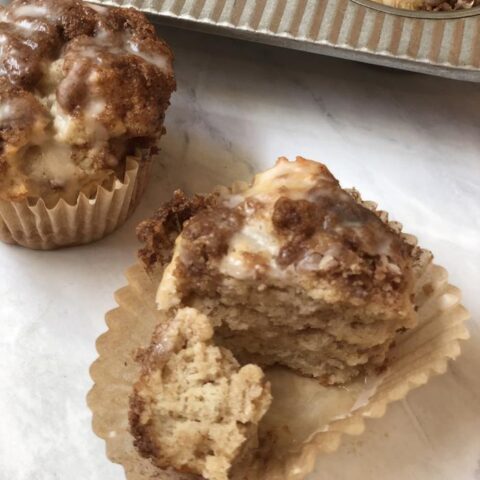
Here is this week’s menu plan. This week I am sharing a recipe from one of my favorite gluten free bloggers on the menu plan. I hope this helps you find some new delicious gluten free food. I made notes next to the ingredients that need to be gluten free, but as always read labels to make sure that your ingredients are gluten free. 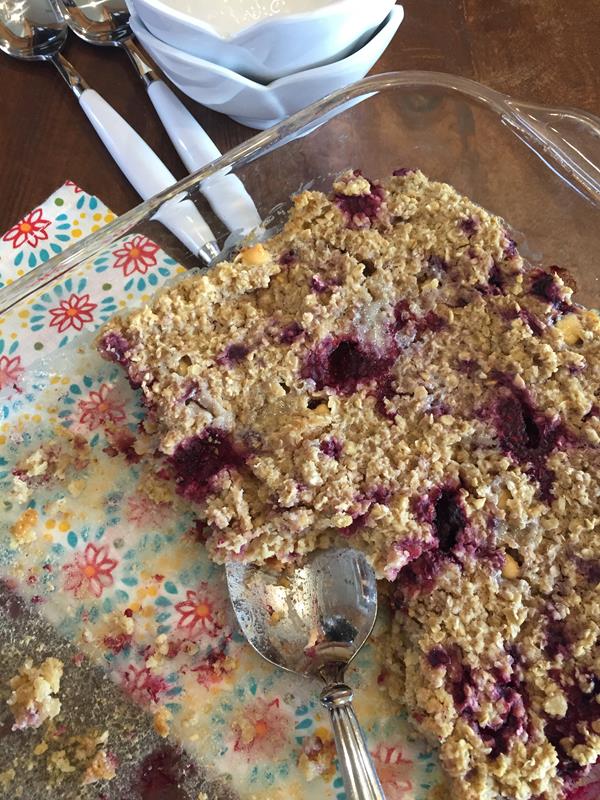 Gluten Free Menu Plan 4.14.24Quick and easy gluten free recipes for April. Gluten Free Cinnamon Roll Muffins
Photo Credit:
gfkitchenadventures.com
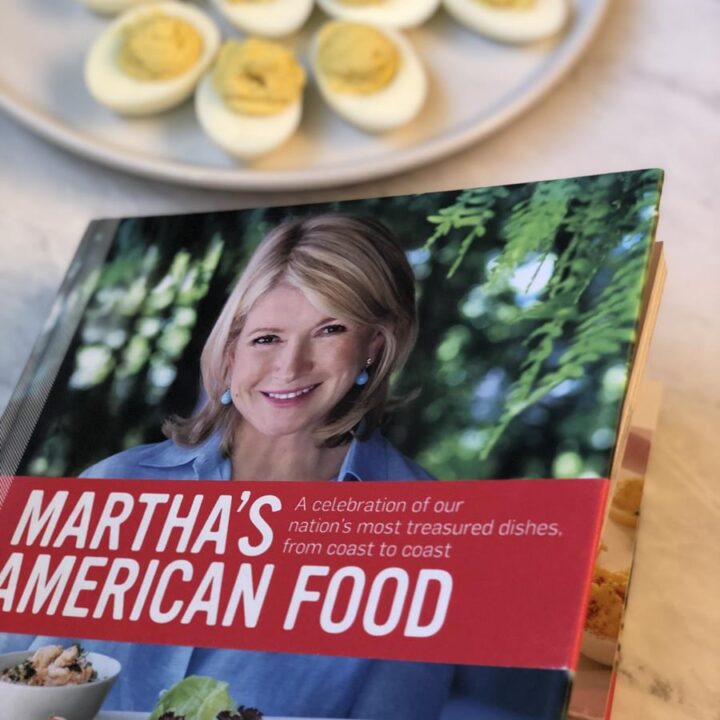
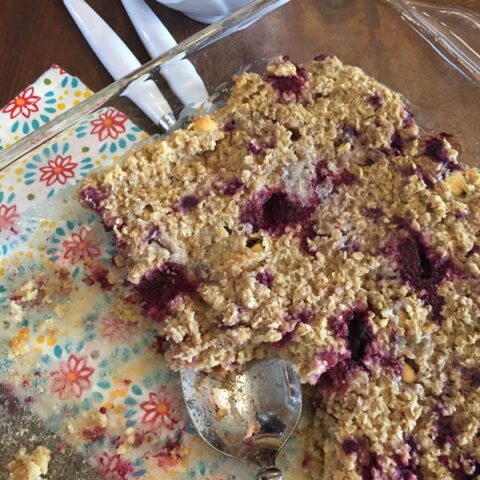
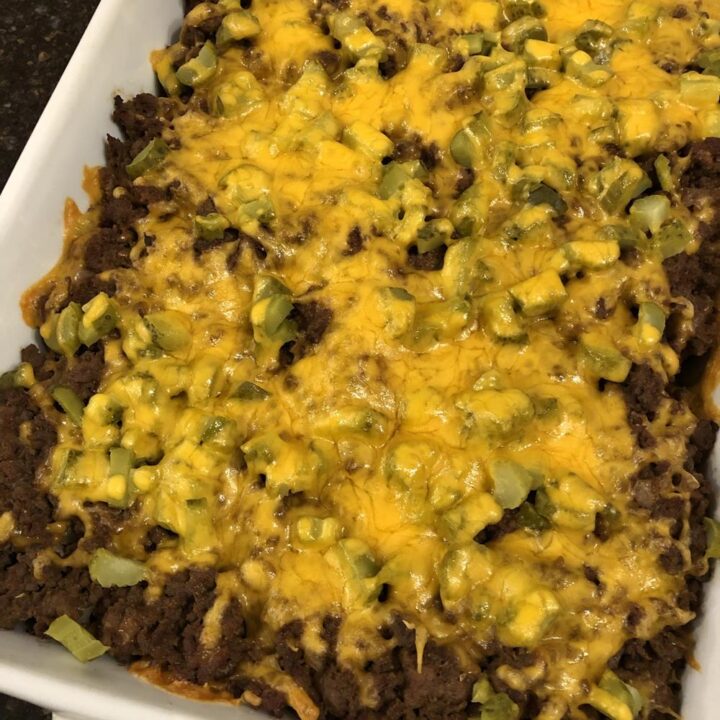
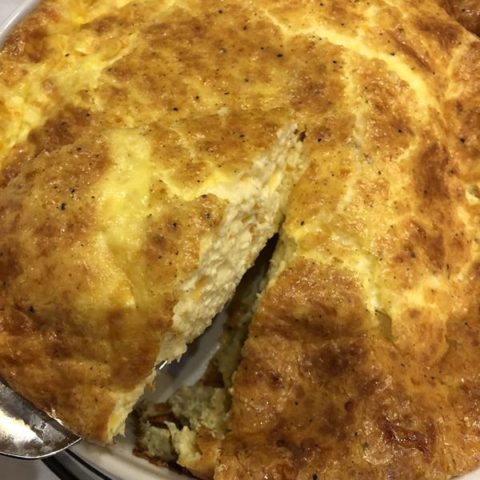
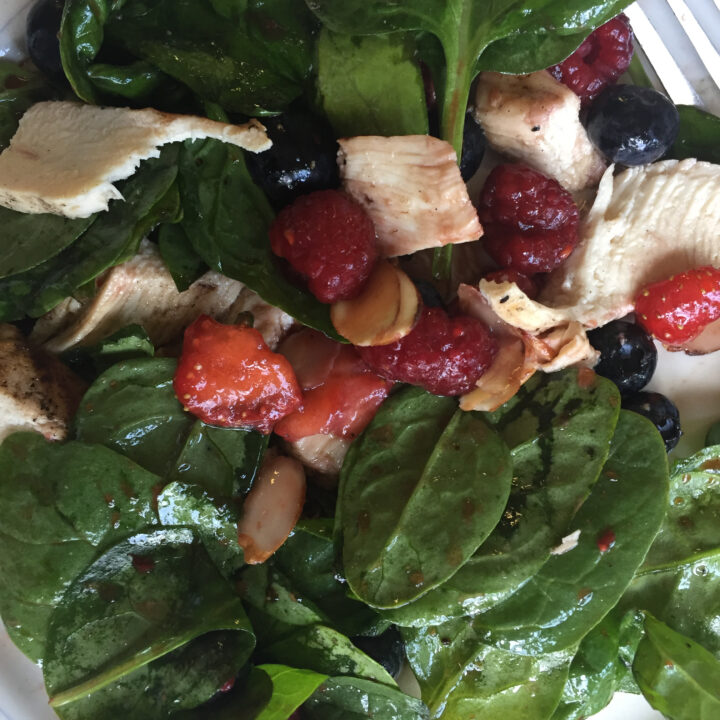
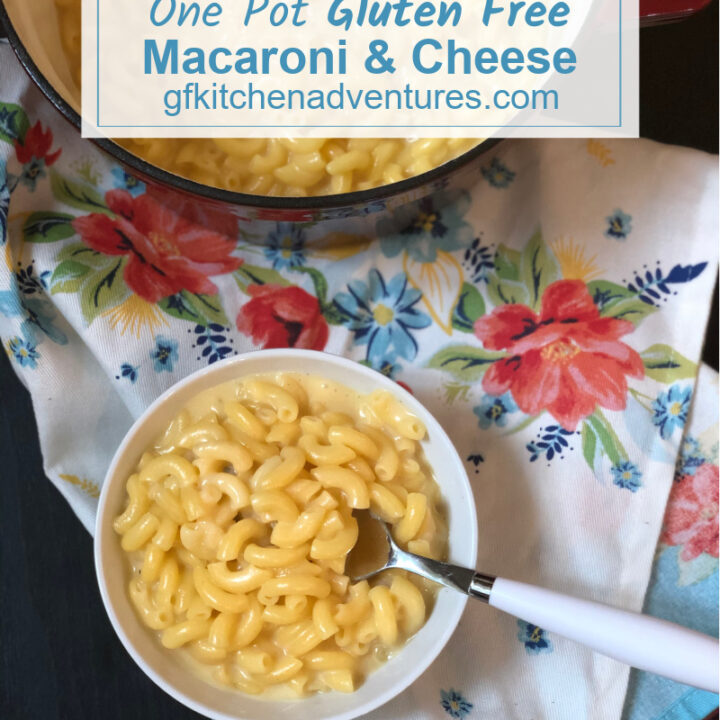
The flavors of a cinnamon roll in the form of a muffin. Martha Stewart's Deviled EggsThe best deviled eggs! Raspberry Baked OatmealRaspberry Baked Oatmeal combines raspberries and oatmeal into a delicious breakfast. Low Carb Cheeseburger CasseroleA simple gluten free low carb dinner. Crustless Cheese QuicheA favorite breakfast for dinner at our house. Triple Berry Chicken Almond Spinach SaladTriple Berry Chicken Salad is a delicious main dish salad or lunch for any day of the year. Gluten Free Macaroni and Cheese
Photo Credit:
gfkitchenadventures.com
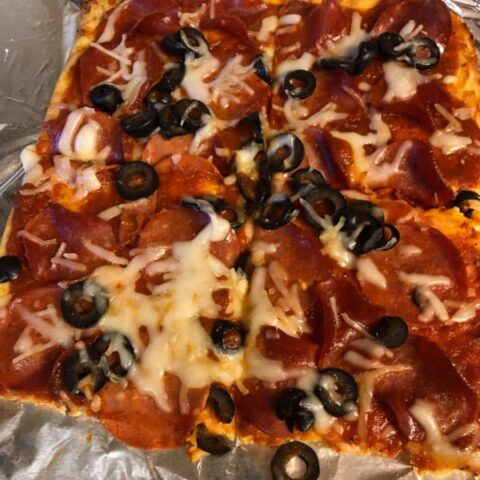
Skip the box and make it homemade. Flourless Gluten-Free Low-Carb Pizza Recipe (Keto Friendly, Too)
Photo Credit:
glutenfreeeasily.com
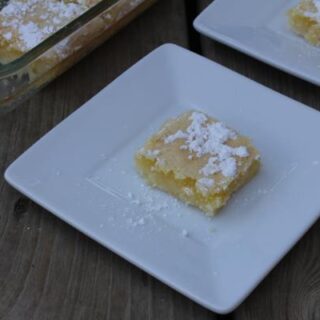
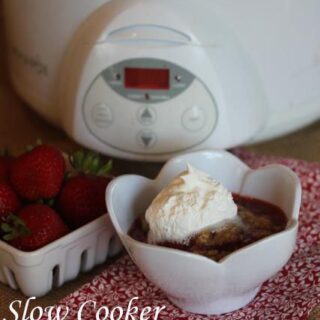
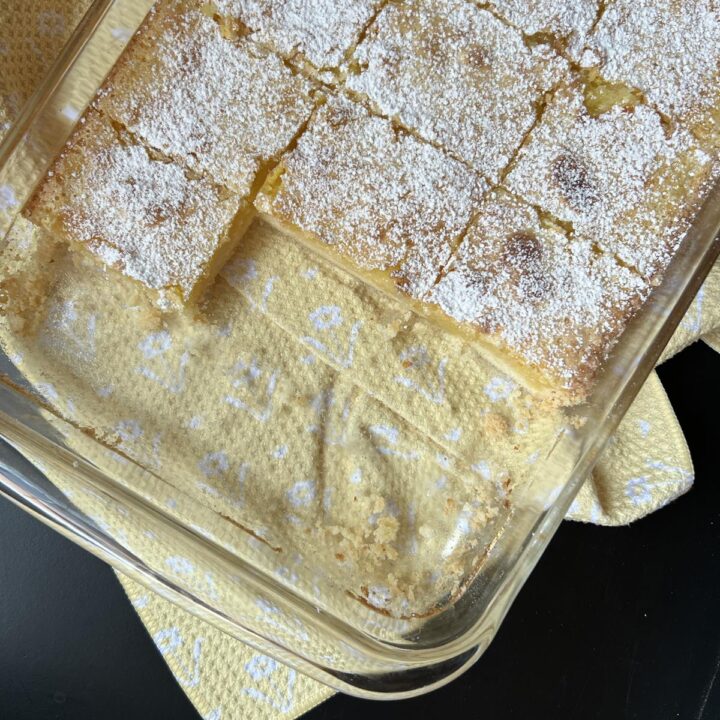
Easy low carb casserole. Gluten Free Lemon Bars ~My Mom's Lemon Bars Made Gluten FreeGluten Free Lemon Bars are my mom's lemon bars made gluten free. Slow Cooker Strawberry CobblerStrawberry cobbler in the slow cooker is an easy and delicious dessert. The post Gluten Free Menu Plan April Week 2 appeared first on Lynn's Kitchen Adventures.      • View comments • Track comments •
Nut Free Larabar Recipe
Larabars are easy to make nut free with this simple homemade nut free larabar recipe! 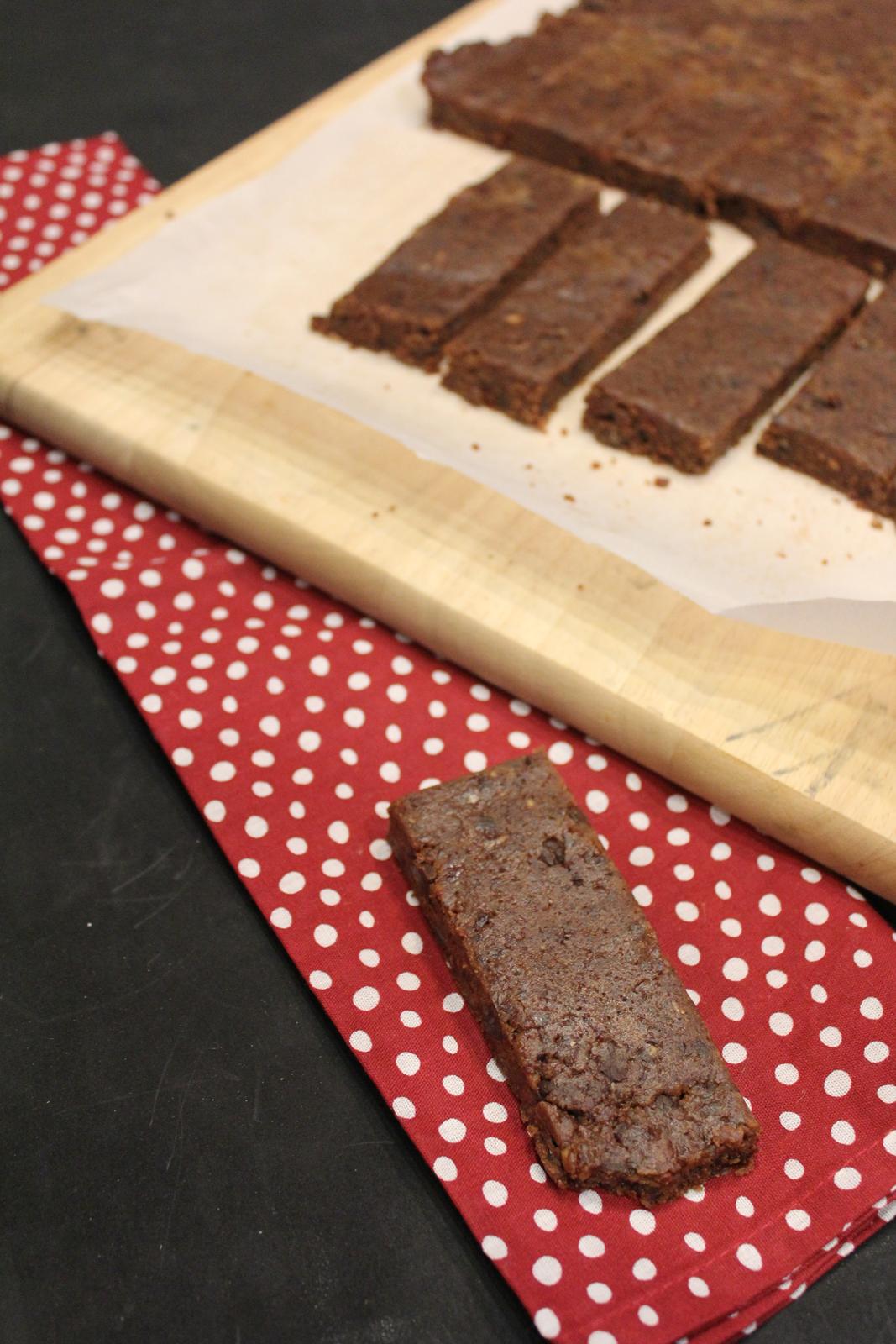 My oldest daughter has a tree nut, peanut, and sesame allergy. She developed the allergy when she was twelve, which means it is not an allergy she will outgrow. It is with her for life. It is also a true allergy. It is not an intolerance or just something she avoids. It is the kind of allergy that can kill you. She always has an epi-pen with her. Nuts, peanuts, and sesame are not allowed at all. For years, when she was growing up and lived at home, our house was completely nut-free. She had to worry about food all the time, so we wanted to create a completely safe place for her to eat at home. In many ways, this has just become our life. We read labels. We are extremely careful, and we keep our home nut, peanut, and sesame-free. She is grown and no longer lives at home, but we still eat nut and peanut free when she is at our house. I learned so much over the years of having kids with severe allergies. One of them is that sometimes you just want to eat what everyone else eats. It makes it so hard, especially for kids. Life with nut allergies is not always easy. Over the years I developed so many homemade versions of our favorite foods. Today’s homemade nut-free Larabar recipe is one of them. This recipe is nut-free, so it is inspired by a Larabar rather than a true copycat. 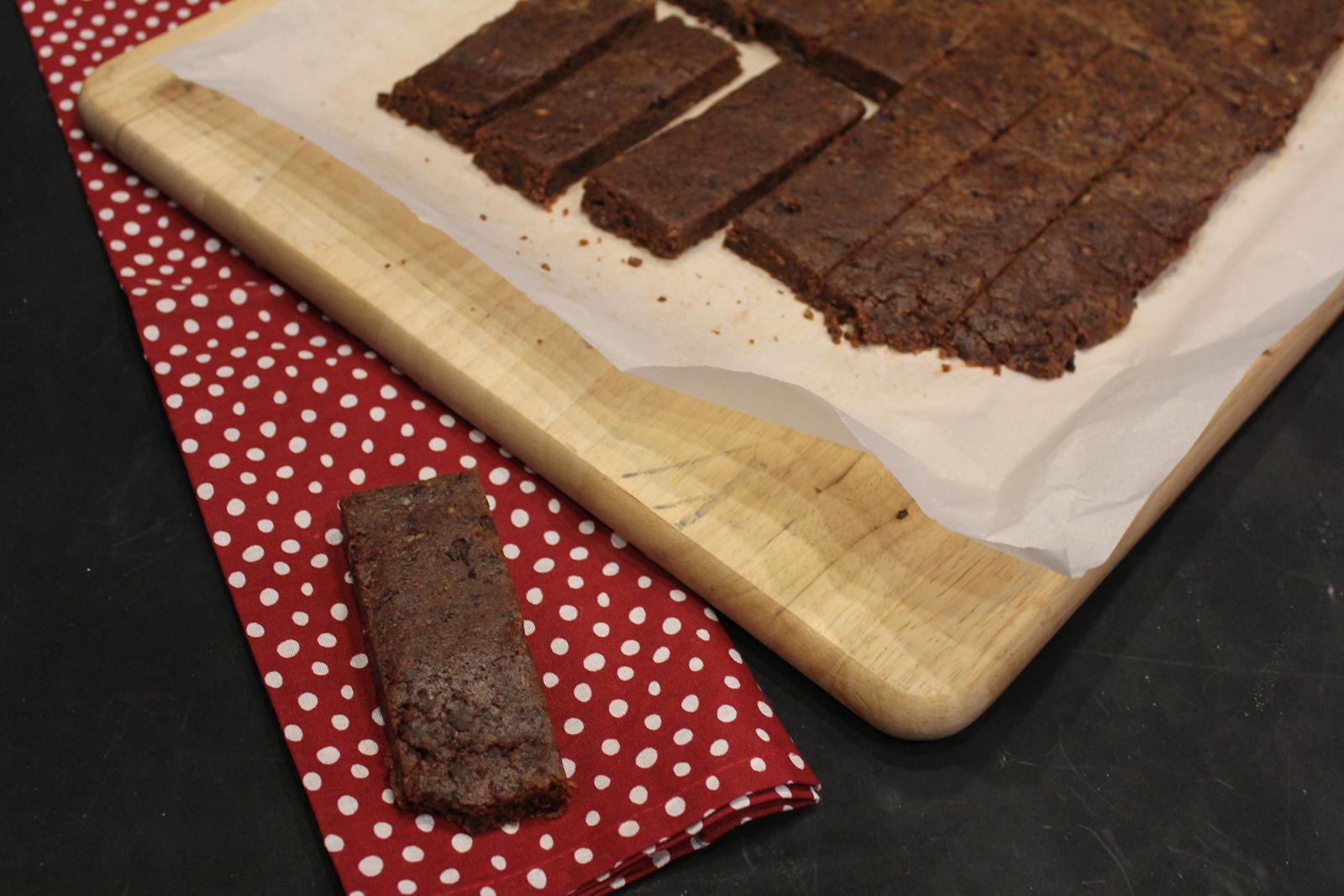 One of the toughest areas for me when dealing with a child with nut allergies has been snack food. Meals are pretty easy to keep nut-free as long as I read labels. Snacks, on the other hand, are much harder. So many snack foods contain nuts, peanuts, or sesame. Granola bars, crackers, and trail mixes all contain nuts or sesame. There are some available that are nut-free, but most are high risk because of cross-contamination. There are some allergy-friendly brands out there, but the high cost makes them a treat instead of an everyday thing. I quickly learned that homemade snacks are the best and most affordable option. I can make sure the food is safe without breaking the budget. Over the years, homemade nut-free larabars have become a favorite for us. I had trouble getting the recipe just right, and it took me quite a bit of time. I made so many batches of these to get the taste and texture just how we like them. After a lot of trial and error, though, I developed a recipe that we love! 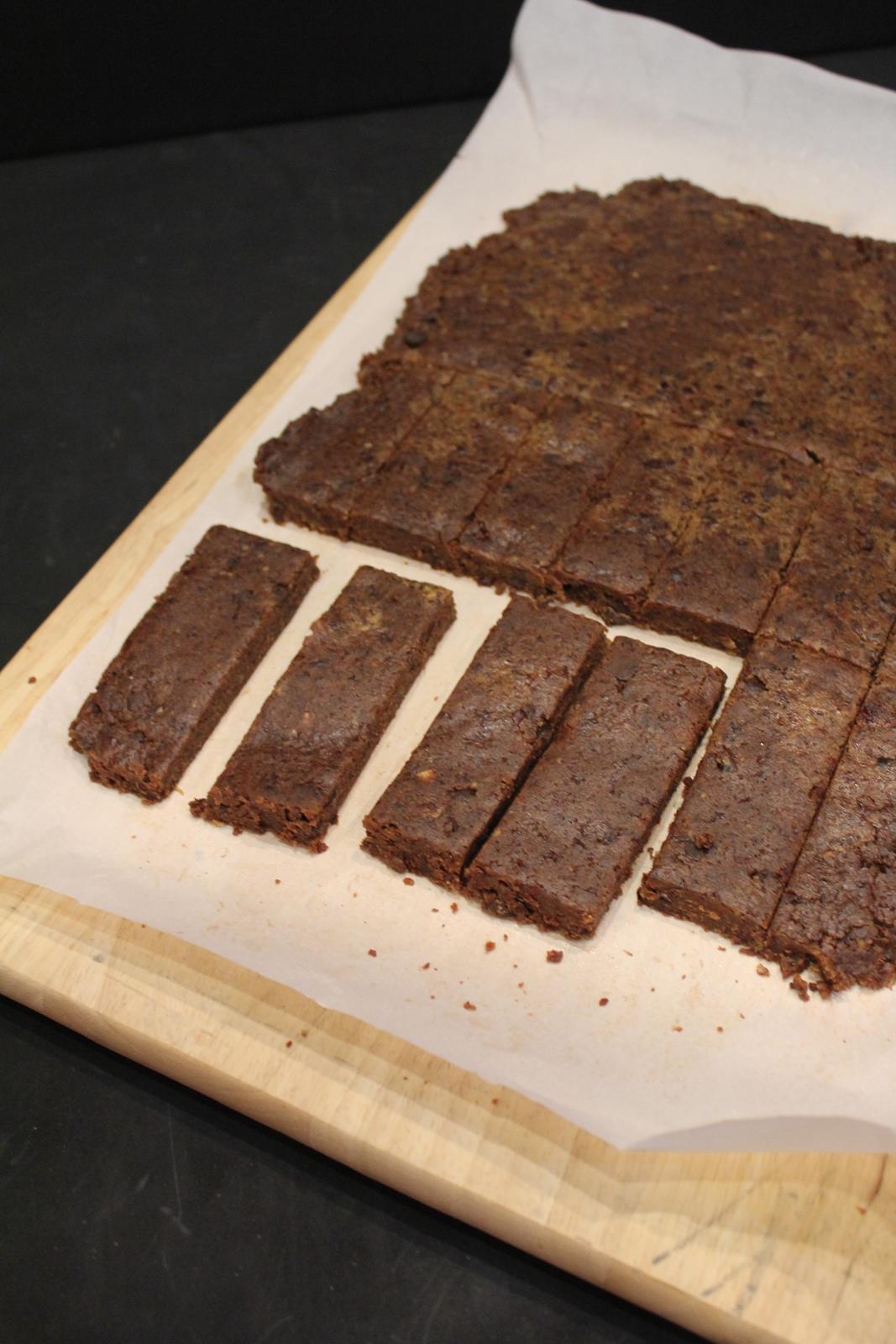 We love these! If you or someone in your family has a nut allergy, these are a must make! One quick note. This recipe is for homemade nut-free larabars, but I know not all my readers are nut-free. If you can have peanut butter or almond butter, use it in place of the Sunbutter. It will work fine. If you have a nut allergy use Sunbutter. I have tried these with soy butter and other nut-free butters, but the Sunbutter or sunflower seed butter is our favorite.
Yield: 24 bars
Nut Free Larabar Recipe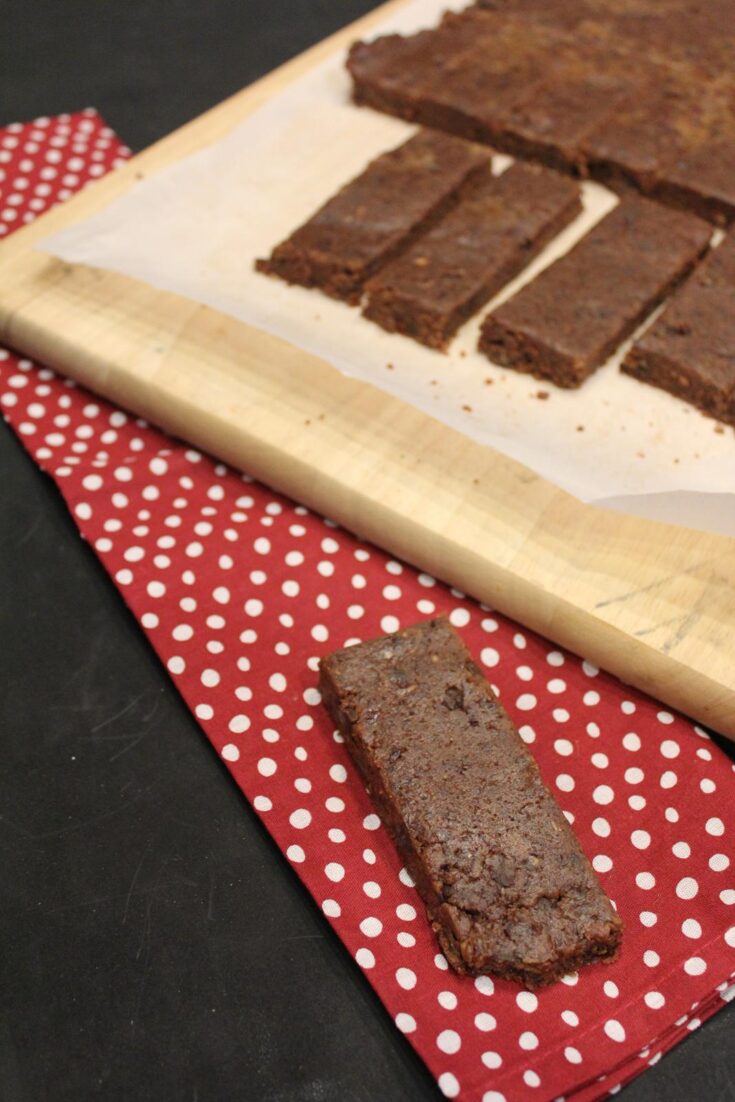
Larabars can be nut free with this homemade larabar recipe.
Prep Time
10 minutes
Additional Time
2 hours
Total Time
2 hours 10 minutes
Ingredients
Instructions
NotesIf you do not need these to be nut-free, you can use peanut butter or almond butter in place of the sunbutter. Wowbutter also works in this recipe. Other dried fruit can be used in place of dried cherries, or you can use a combination of dried cherries and other dried fruit like raisins. Nutrition Information:Yield:24 barsServing Size:1Amount Per Serving: Calories: 124Total Fat: 6gSaturated Fat: 1gTrans Fat: 0gUnsaturated Fat: 4gCholesterol: 0mgSodium: 28mgCarbohydrates: 19gFiber: 2gSugar: 15gProtein: 2g  Originally posted March 2017. Updated April 2026. The post Nut Free Larabar Recipe appeared first on Lynn's Kitchen Adventures.  • View comments • Track comments •
Gluten Free Menu Plan April Week 1
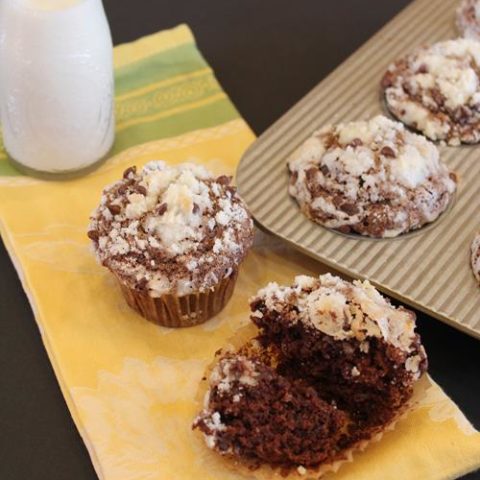
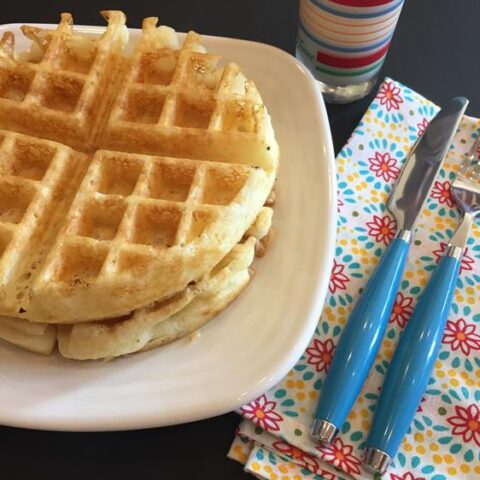
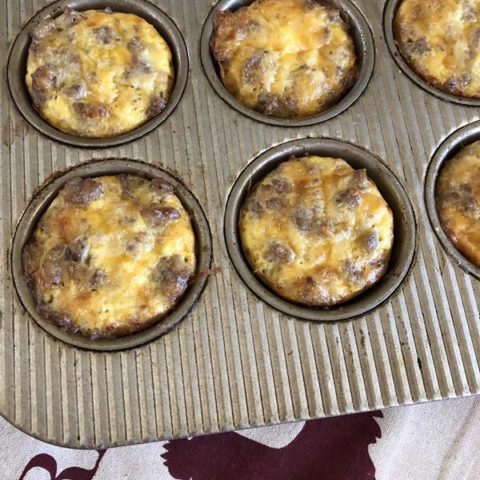
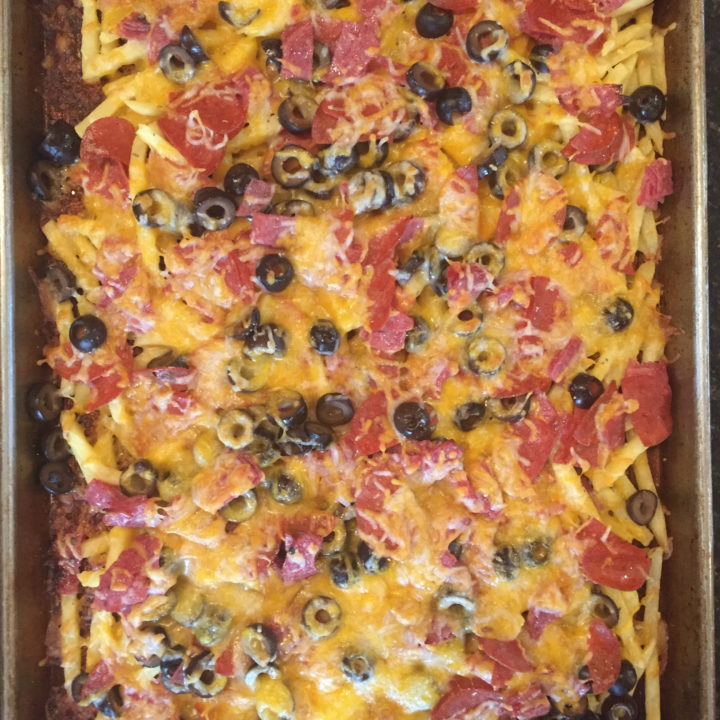
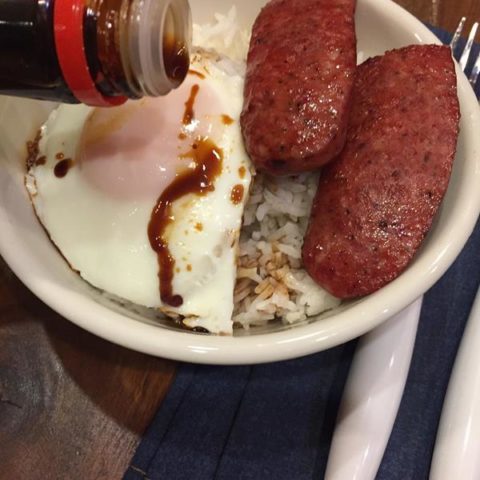
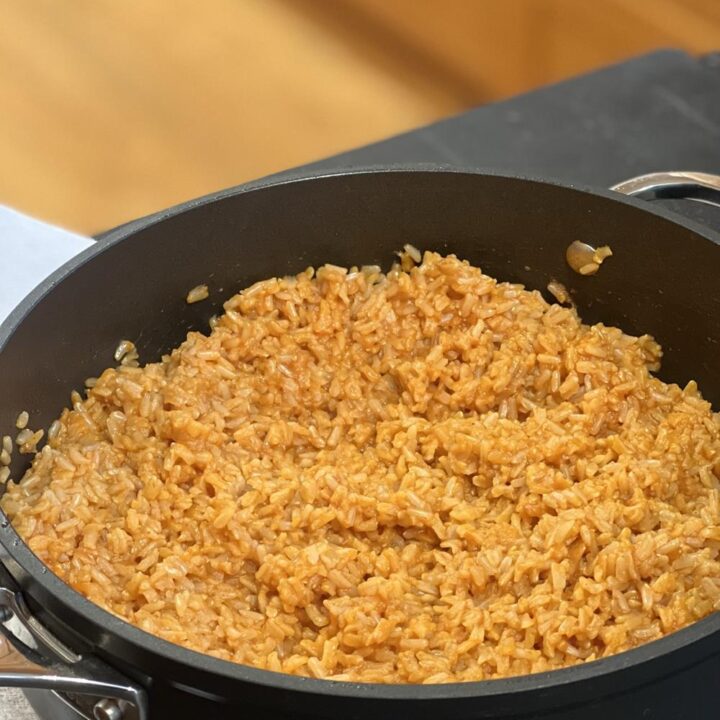
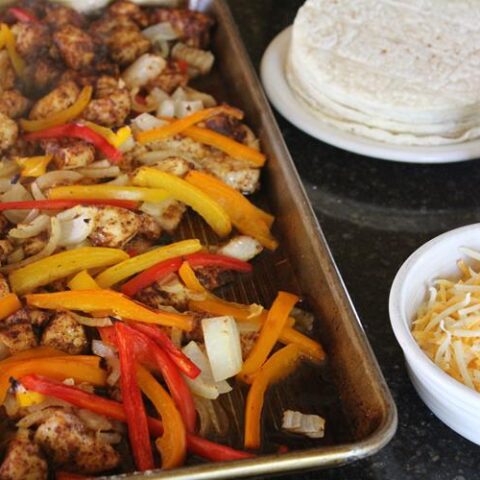
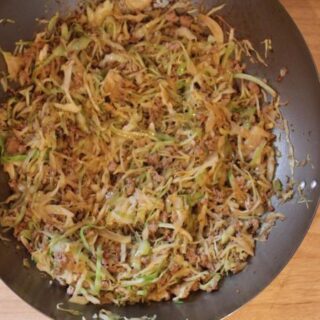
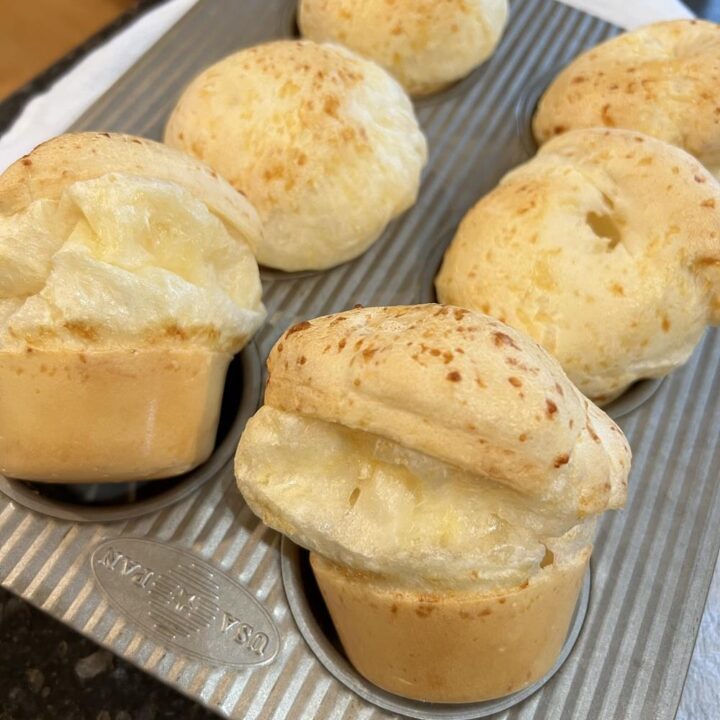
This week’s menu plan includes lots of easy budget friendly gluten-free recipes for spring. 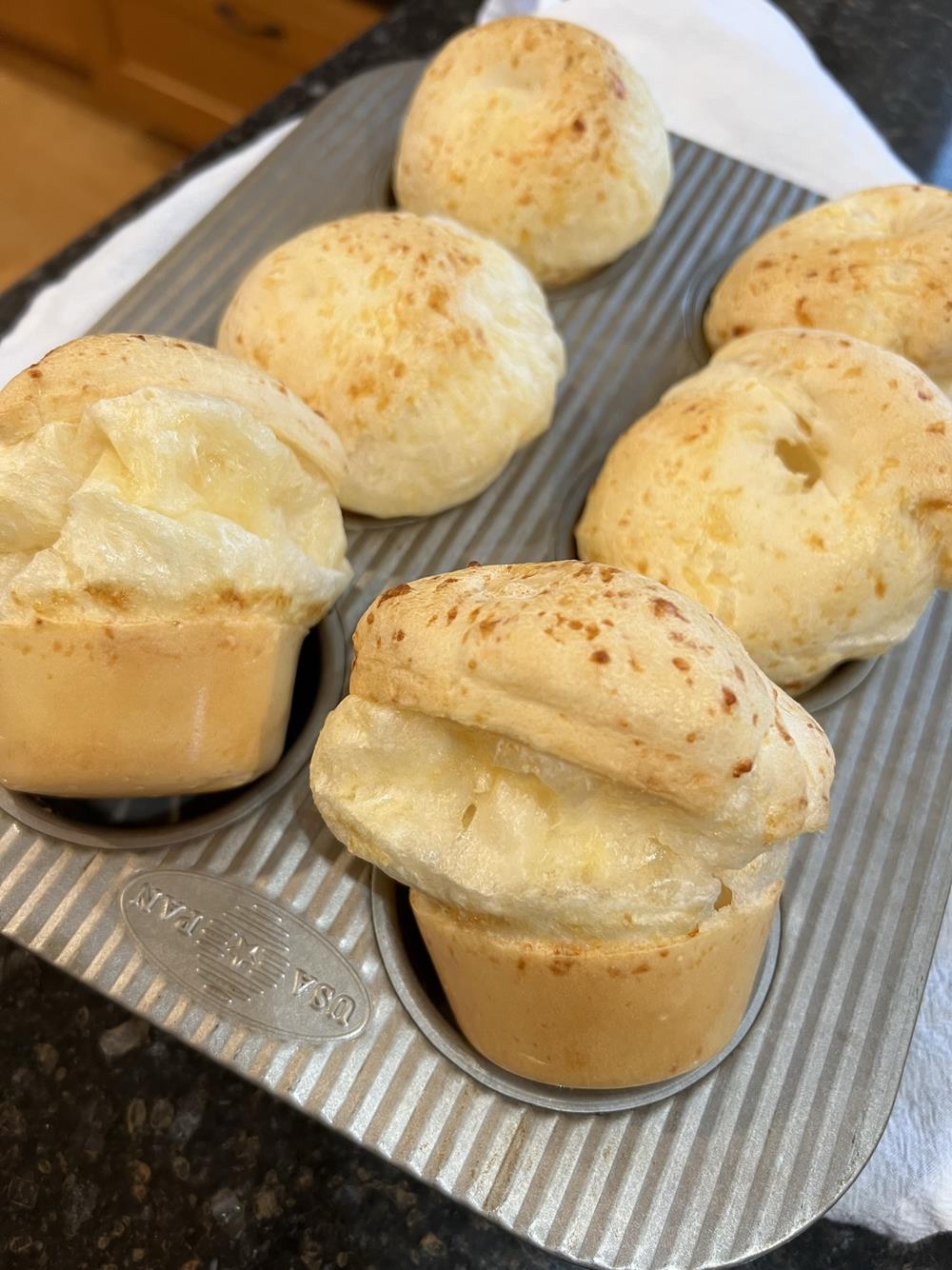 I made notes next to the ingredients that need to be gluten-free, but as always, read labels to make sure the ingredients are safe for your family. Gluten Free Menu Plan April Week 1Easy budget friendly gluten free recipes for the week. Gluten Free Double Chocolate Banana MuffinsGluten free double chocolate muffins are so good that you will not know that they are gluten free. Gluten Free Overnight Belgian WafflesYou can enjoy restaurant style waffles at home with these gluten free overnight belgian waffles. Egg and Potato Breakfast MuffinsEgg and Potato Breakfast Muffins are an easy breakfast that can be made ahead. Pizza FriesPizza night can be easy when you make pizza fries. Eggs and Rice with Soy SauceEasy inexpensive breakfast for dinner. Make sure to use gluten free soy sauce. Brown Rice Mexican RiceAn easy way to make Mexican rice a little bit better. Sheet Pan Chicken FajitasFajitas made easy. Stir Fried Cabbage and PorkStir fried cabbage and pork aka egg roll in a bowl is a delicious quick and easy meal. Gluten Free Brazilian Cheese Buns
Photo Credit:
gfkitchenadventures.com
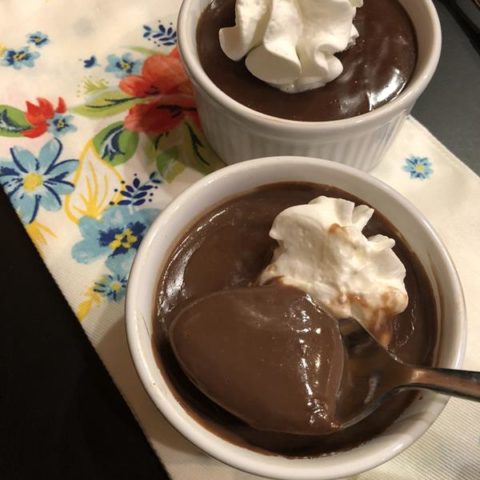
A cross between a cheese roll and a gluten free popover. Delicious! Easy Homemade Double Chocolate PuddingSkip the box of pudding mix that you buy at the store and make homemade double chocolate pudding! It is so easy and so good! Gluten Free Chocolate Sugar Cookies
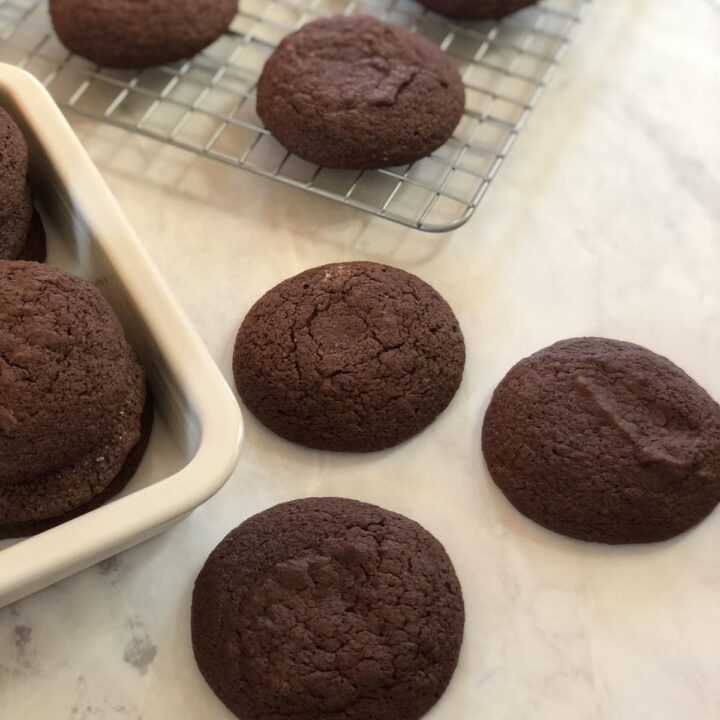
Photo Credit:
gfkitchenadventures.com
Gluten free chocolate cookies yes please! Gluten Free Lemon Bars ~My Mom's Lemon Bars Made Gluten FreeGluten Free Lemon Bars are my mom's lemon bars made gluten free. The post Gluten Free Menu Plan April Week 1 appeared first on Lynn's Kitchen Adventures.  • View comments • Track comments •
Oatmeal Banana Muffin Recipe
Use up your leftover oatmeal with this easy to make Oatmeal Banana Muffin recipe. 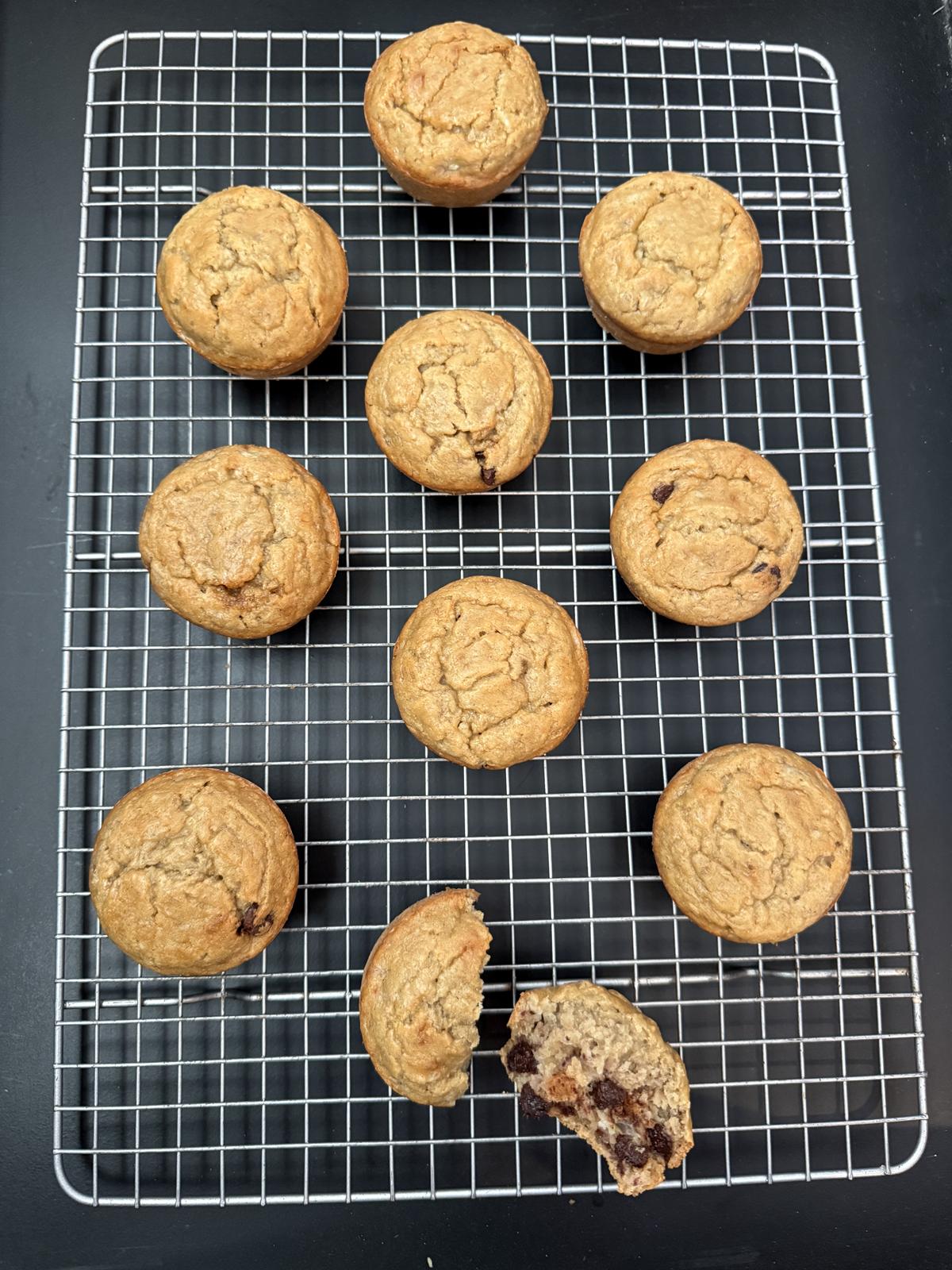 This recipe for Oatmeal Banana Muffins is adapted from my mom’s recipe for Leftover Oatmeal Muffins. I adapted them to a Leftover Oatmeal Peanut Butter muffin, which inspired me to try a leftover banana oatmeal muffin recipe. 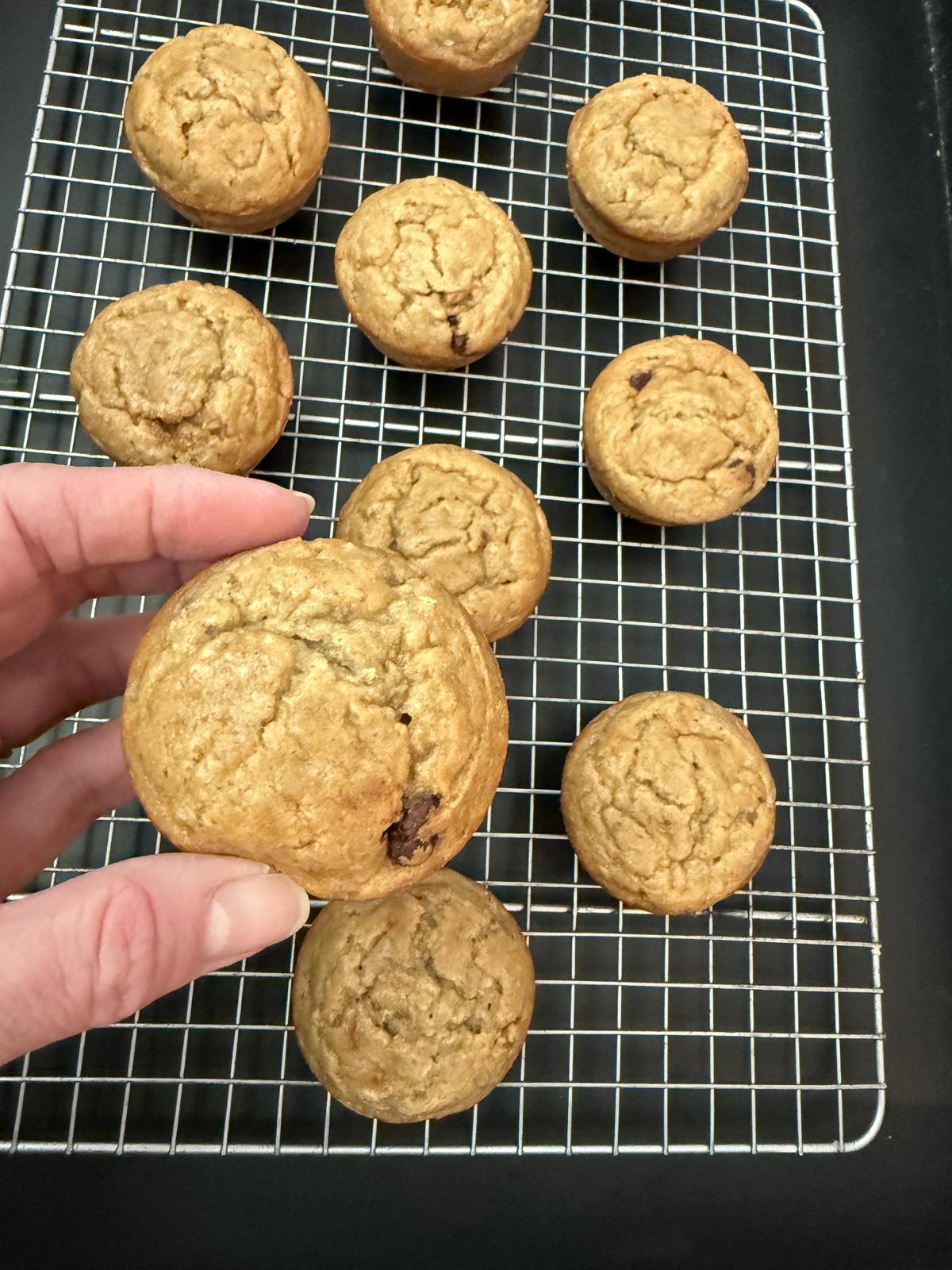 These muffins turned out so good! These muffins are not light and fluffy. They are denser muffins, but they are delicious. And they are healthy(ish), especially if you leave out the chocolate chips. 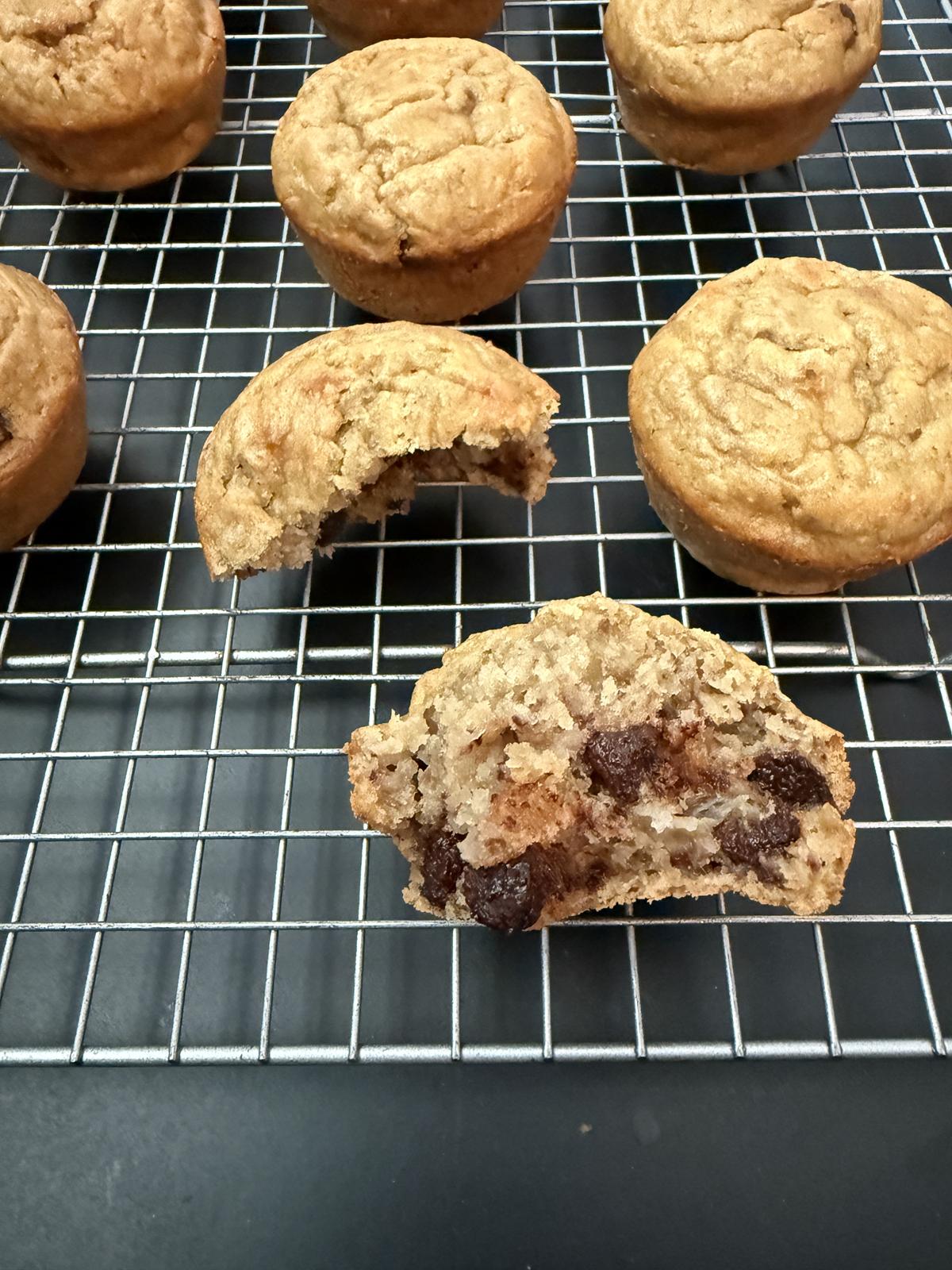 They are also dairy free if you skip the chocolate chips or use dairy free chocolate chips. 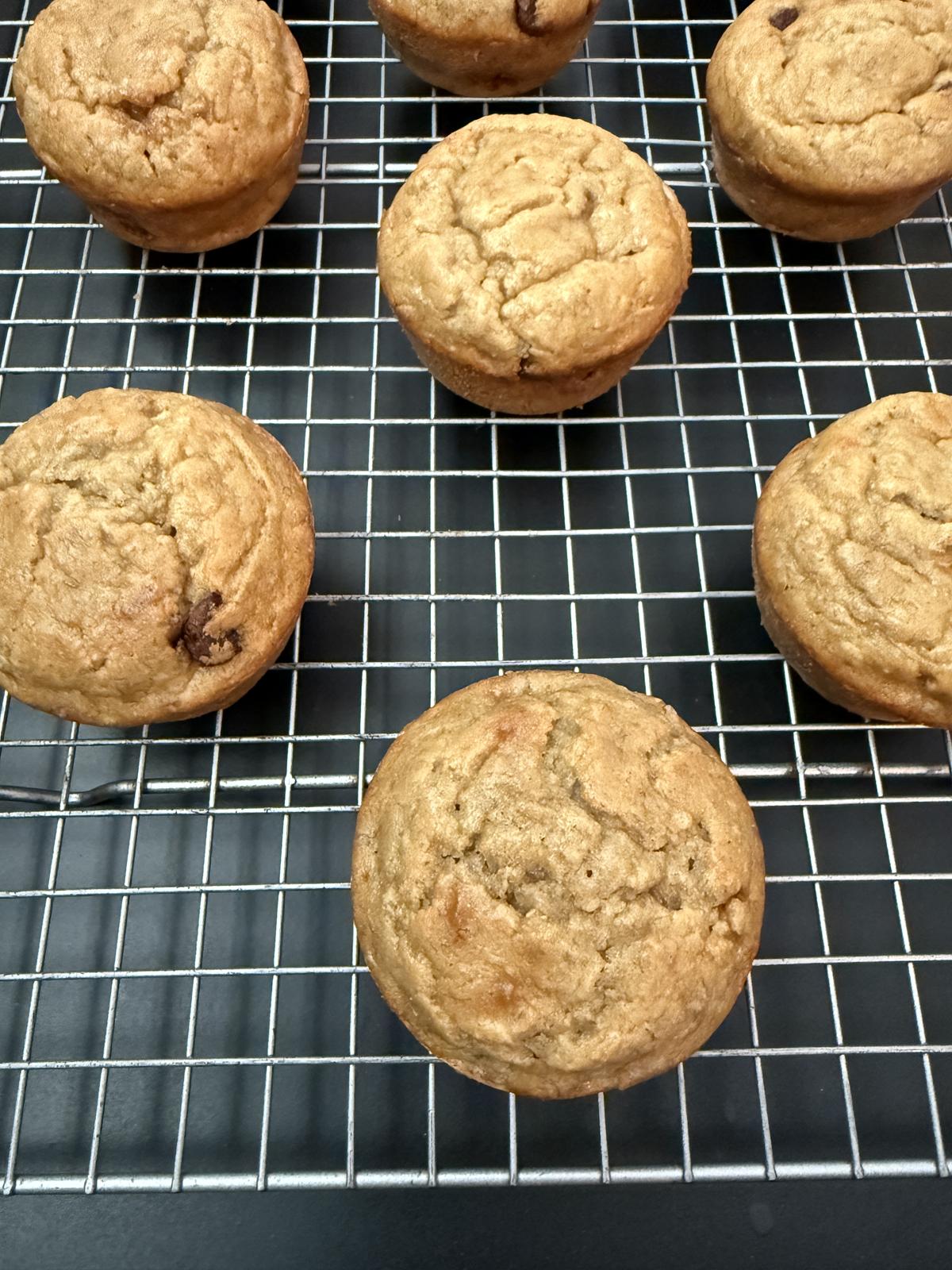 If you are looking for a new breakfast for this week, give these oatmeal banana muffins a try! 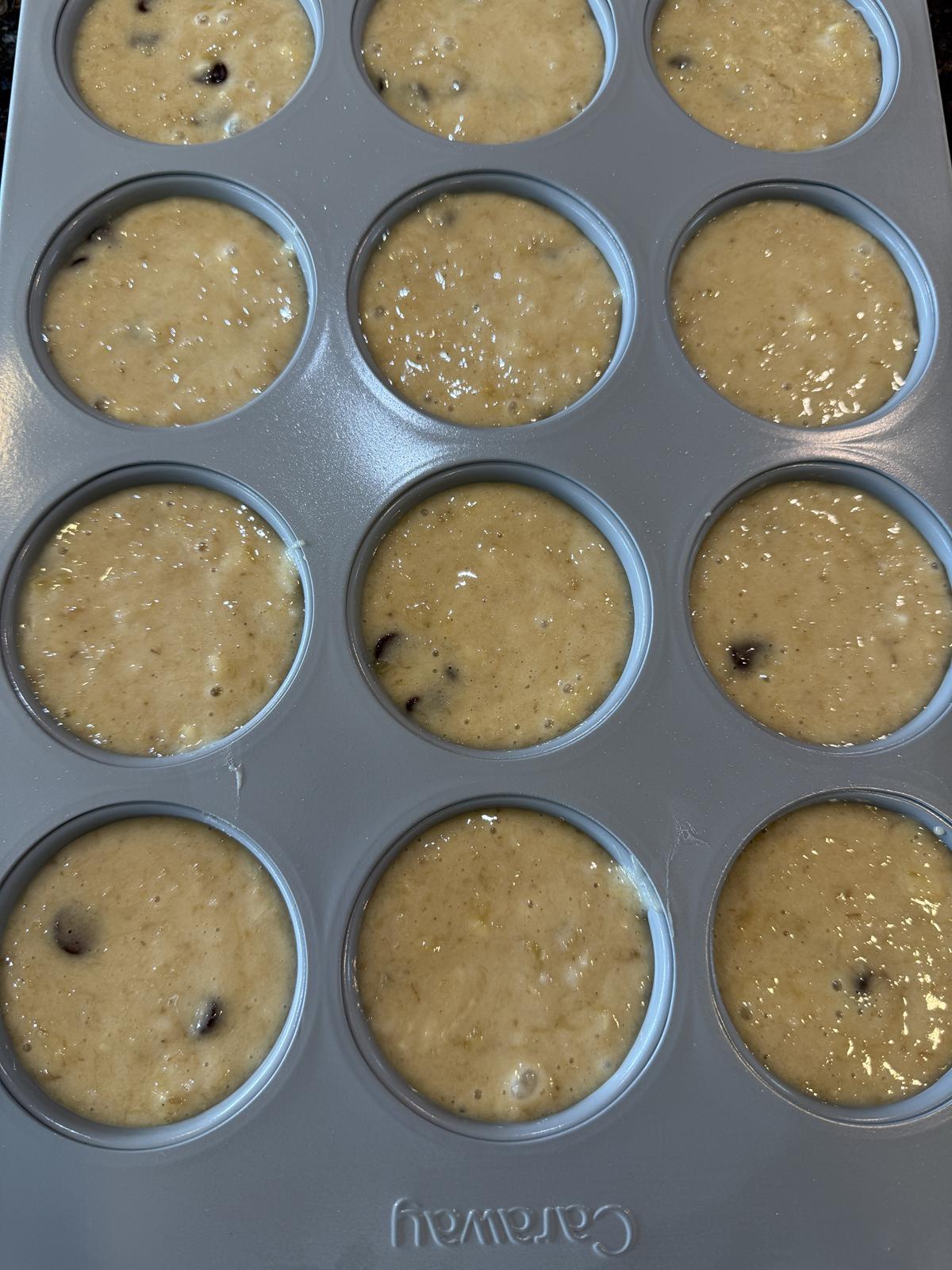 Ingredients
Yield: 12 muffins
Oatmeal Banana Muffin Recipe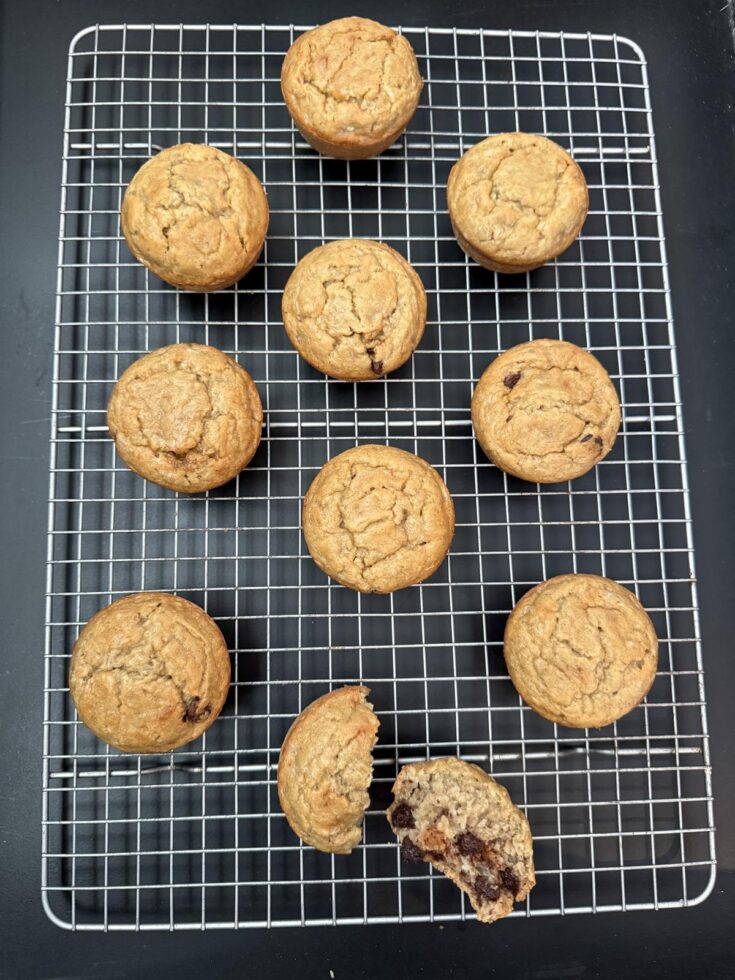
Oatmeal and bananas are combined in these easy-to-make muffins.
Prep Time
10 minutes
Cook Time
20 minutes
Total Time
30 minutes
Ingredients
Instructions
NotesThe gluten-free version of this recipe was tested with gluten-free oats and Bob's Red Mill 1 to 1 Gluten Free Flour Blend. Nutrition Information:Yield:12Serving Size:1Amount Per Serving: Calories: 348Total Fat: 6gSaturated Fat: 2gUnsaturated Fat: 3gCholesterol: 15mgSodium: 78mgCarbohydrates: 70gFiber: 5gSugar: 29gProtein: 7g Nutritional values are approximate and aren't always accurate. The post Oatmeal Banana Muffin Recipe appeared first on Lynn's Kitchen Adventures.  • View comments • Track comments •
Gluten Free Menu Plan
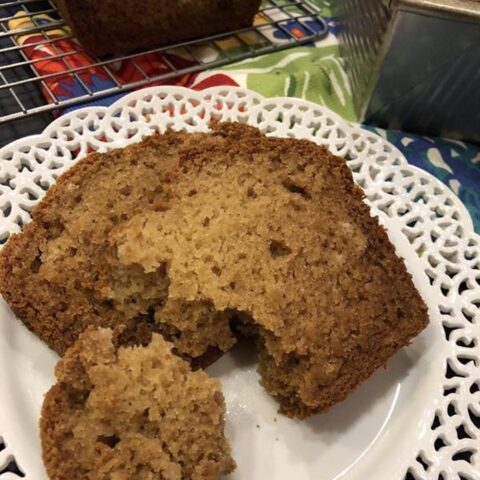
This week’s gluten free menu plan is full of quick and easy gluten free meals. 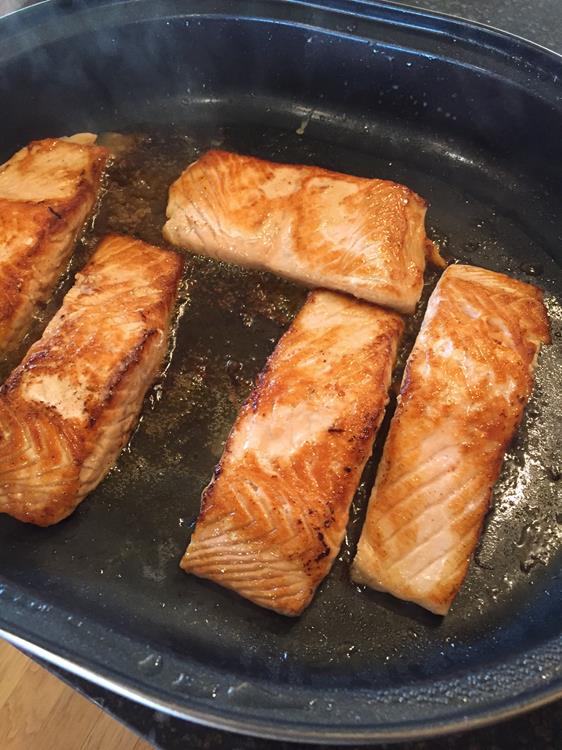 I know I say that almost every week, but I really do love to share gluten free recipes that are quick, easy, and so you good that you won’t know that they are gluten free. Be sure to read labels on ingredients to make sure that they are gluten free and be sure to use ingredients like gluten free oats. Gluten Free Menu Plan April Week OneQuick and easy gluten free meals for the week. Gluten Free Applesauce Bread
Photo Credit:
gfkitchenadventures.com
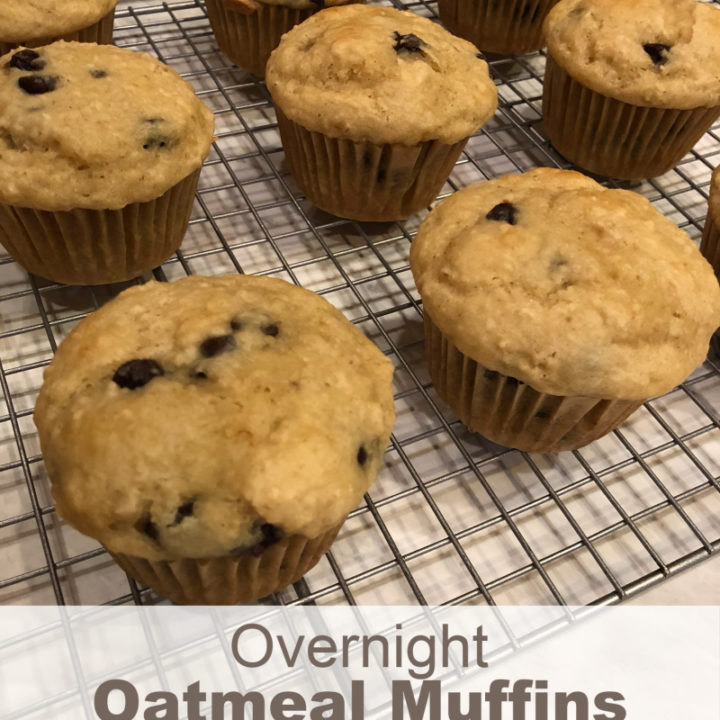
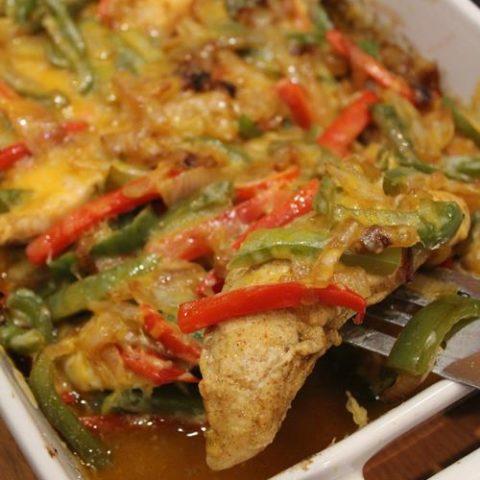
A gluten free version of a classic recipe. Overnight Oatmeal MuffinsOvernight Oatmeal Muffins are an easy make ahead muffin. Scrambled Eggs with SalmonA quick and easy breakfast, lunch, or dinner. Cheesy Fajita Chicken
Photo Credit:
www.lynnskitchenadventures.com
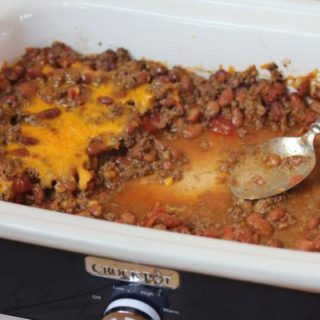
A delicious way to change up a basic chicken. Crock Pot Beef and Bean Casserole Recipe {Five Ingredients or Less}Need a simple dinner that is easy to make gluten free? Make Crock Pot Beef and Beans for dinner this week. Fried Cabbage and KielbasaFried Cabbage and Kielbasa is an easy one pot meal. Gluten Free Brazilian Cheese Buns - Gluten Free Kitchen Adventures
Photo Credit:
gfkitchenadventures.com
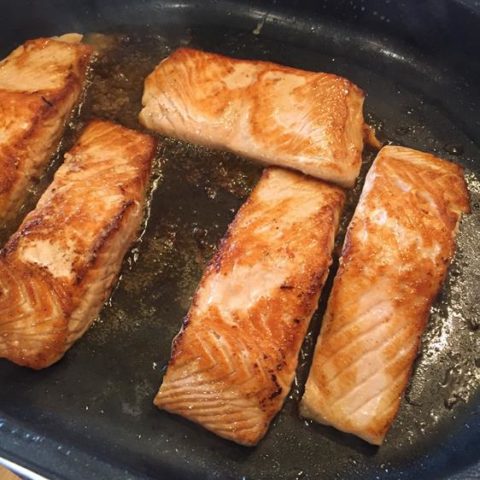
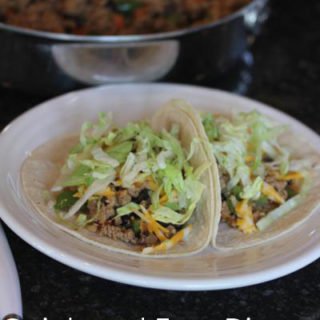
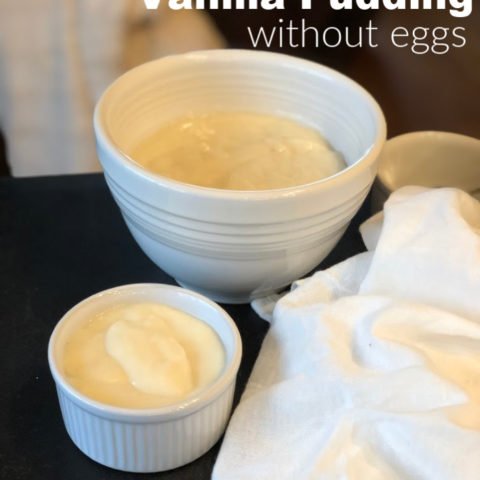
A favorite bread side dish. Bacon SalmonSalmon cooked in bacon grease is so flavorful and delicious. Easy Pork TacosChange up taco night with easy pork tacos. Homemade Vanilla Pudding without EggsHomemade Vanilla Pudding is an easy make at home treat using basic ingredients. The post Gluten Free Menu Plan appeared first on Lynn's Kitchen Adventures.  • View comments • Track comments •
More Recent Articles
| ||||||||||||||||||||||||||||||||||||||